


If you’ve been around crypto long enough, you’ve probably heard about Exodus Wallet. It’s often praised for its clean design, built-in exchange, and ease of use. But as crypto veterans always ask: is Exodus wallet safe? Let’s break down everything you need to know before trusting it with your coins.
What Is Exodus Wallet and How Does It Work?
Exodus Wallet is a multi-asset crypto wallet that lets you store, send, receive, and exchange digital assets in one place. It works on desktop, mobile, and even integrates with hardware wallets like Ledger for extra security.
It supports over 200 cryptocurrencies, including Bitcoin (BTC), Ethereum (ETH), Solana (SOL), and many altcoins. You stay in control of your private keys, meaning you, not a centralized exchange, actually own your crypto.
Is Exodus a Cold Wallet or Hot Wallet?
Although Exodus is classified as a hot wallet, it offers more flexibility than many traditional software wallets. The addition of Ledger integration allows users to combine the convenience of Exodus with the stronger offline protection of a hardware wallet.
The difference between the two ultimately comes down to how you use crypto. Here’s a clearer comparison between Ledger and Exodus:
| Feature | Ledger | Exodus |
| Storage Type | Cold (offline) | Hot (online) |
| Ease of Use | Moderate | Very easy |
| Security | Hardware-based | Software + Encryption |
| Supported Coins | 5,000+ | 200+ |
| Best For | Long-term holders | Everyday traders / holders |
If you’re the lazy HODLer who checks your portfolio once a week, Ledger wallet offers peace of mind. But if you’re a DeFi refugee managing multiple chains and swaps, Exodus feels more flexible.
Key Features of the Exodus Crypto Wallet
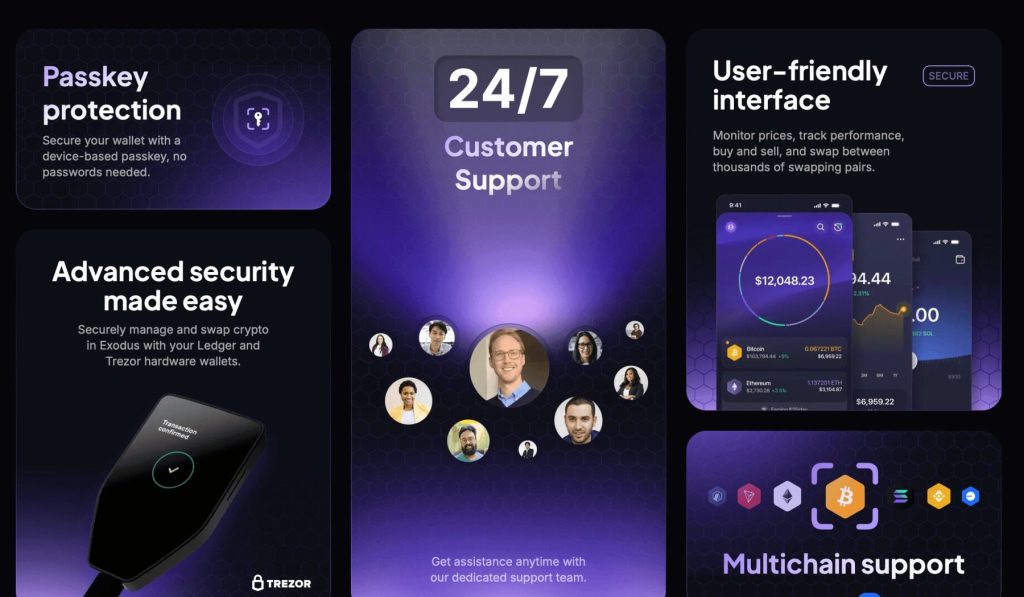
Choosing the right storage requires understanding its technical capabilities. Exodus goes beyond simple holding:
- User-friendly interface: Designed specifically for beginners but robust enough for experienced traders.
- Built-in exchange: Instantly swap crypto without navigating to an external Decentralized Exchange (DEX).
- Hardware integration: Works flawlessly with Trezor devices for offline security.
- Portfolio tracking: View your wealth in real-time with sleek, easy-to-read visual charts.
Is Exodus Wallet Safe?
Let’s address the top question: is Exodus wallet safe?
Exodus uses encrypted private keys stored locally on your device, not on company servers. This means only you have access to your funds. The wallet also allows password protection and backup recovery phrases.
While you may occasionally come across headlines about an “Exodus wallet hack,” the wallet itself is rarely the actual point of failure. In most cases, users lose funds because their devices were infected with malware, they connected to phishing websites, or they exposed their 12-word recovery phrase.
Like other hot wallets, Exodus gives users full control over their assets but that control also comes with responsibility. Anyone with access to your recovery phrase can fully access your wallet and transfer the funds.
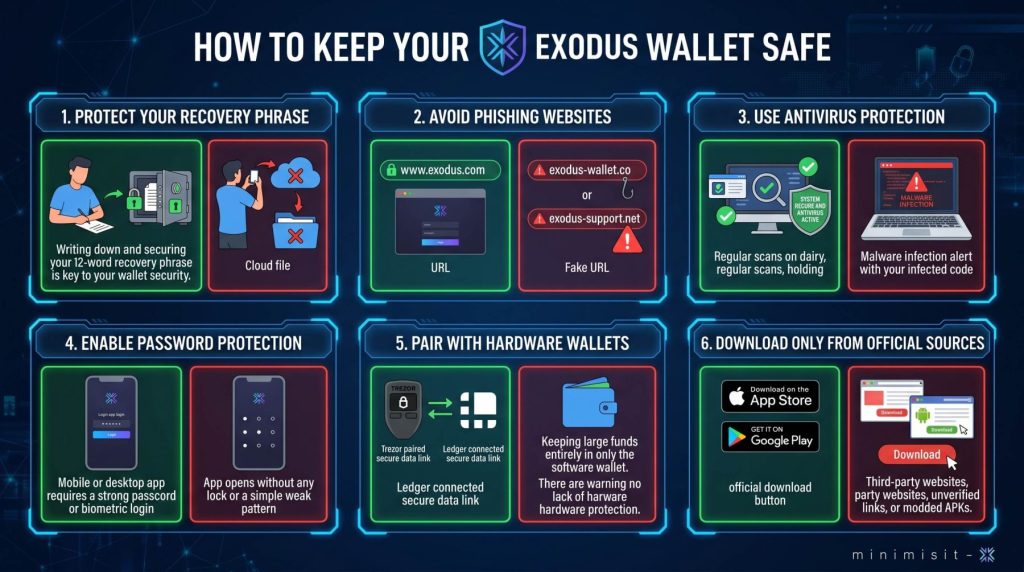
To reduce security risks:
- Download Exodus only from official sources
- Store your recovery phrase offline
- Avoid suspicious links and wallet connection requests
- Use antivirus protection and consider pairing Exodus with Ledger for long-term cold storage
Most wallet-related losses happen because of compromised user security, not flaws in the wallet itself.
Trust Wallet vs Exodus Wallet: Which Is Better?
At first glance, Trust Wallet and Exodus seem very similar. Both are non-custodial wallets that let users store crypto, swap tokens, stake assets, and manage multiple blockchains from a single app. However, once you start using them regularly, the differences become much more noticeable.
The better wallet ultimately depends on how you interact with crypto day to day.
Exodus Wallet: Best for Simplicity and Desktop Users
Exodus is known for its clean design and beginner-friendly experience.
The wallet was built to feel simple and visually polished, which is one reason many long-term crypto holders prefer it. Portfolio tracking is easy to understand, navigation feels smooth, and the desktop app is one of the best-looking crypto wallet interfaces available today.
Exodus is especially good for users who:
- Mainly hold crypto long term
- Want a clean desktop experience
- Prefer simplicity over advanced DeFi tools
- Use larger assets like Bitcoin, Ethereum, and Solana
Another major advantage is that Exodus supports hardware wallet integration with Ledger and Trezor. This allows users to combine the convenience of a hot wallet with the stronger security of cold storage.
For beginners entering crypto for the first time, Exodus usually feels less overwhelming than many other wallets.
Trust Wallet: Best for Mobile DeFi and Multi-Chain Users
Trust Wallet is more focused on flexibility and Web3 access.nIt is one of the most well-known Web3 wallet.
The wallet is heavily used by mobile-first crypto users who actively interact with DeFi apps, meme coins, NFT platforms, and newer blockchain ecosystems.
Compared to Exodus, Trust Wallet supports more blockchains and gives users broader access to decentralized applications.
Trust Wallet is often preferred by users who:
- Trade actively on mobile
- Explore new tokens frequently
- Use DeFi platforms regularly
- Interact with multiple blockchain ecosystems
The wallet feels more utility-focused than design-focused. While the interface is not as polished as Exodus, it offers deeper access to fast-moving parts of the crypto market.
For active on-chain users, that flexibility matters more than aesthetics.
Final Thoughts: Should You Use Exodus Wallet in 2026?
If you’re a lazy HOLDer, Exodus Wallet keeps your assets accessible with a clean and beginner-friendly interface.
If you’re an Altcoin Bagholder, its multi-chain support makes it easier to manage scattered portfolios across different ecosystems.
And if you’re a DeFi Refugee constantly moving between protocols and tokens, Exodus can serve as a simple non-custodial hub without feeling overly technical.
Overall, Exodus remains one of the strongest wallets for everyday crypto use in 2026: intuitive, visually polished, and continuously improving. At the same time, many users exploring beyond simple storage are also turning to IZAKA-YA for a smoother way to manage and put their crypto assets to use without navigating overly complex systems.
No matter which setup you choose, strong wallet security and proper recovery phrase management still matter most.
Stop Silent Loss with IZAKA-YA
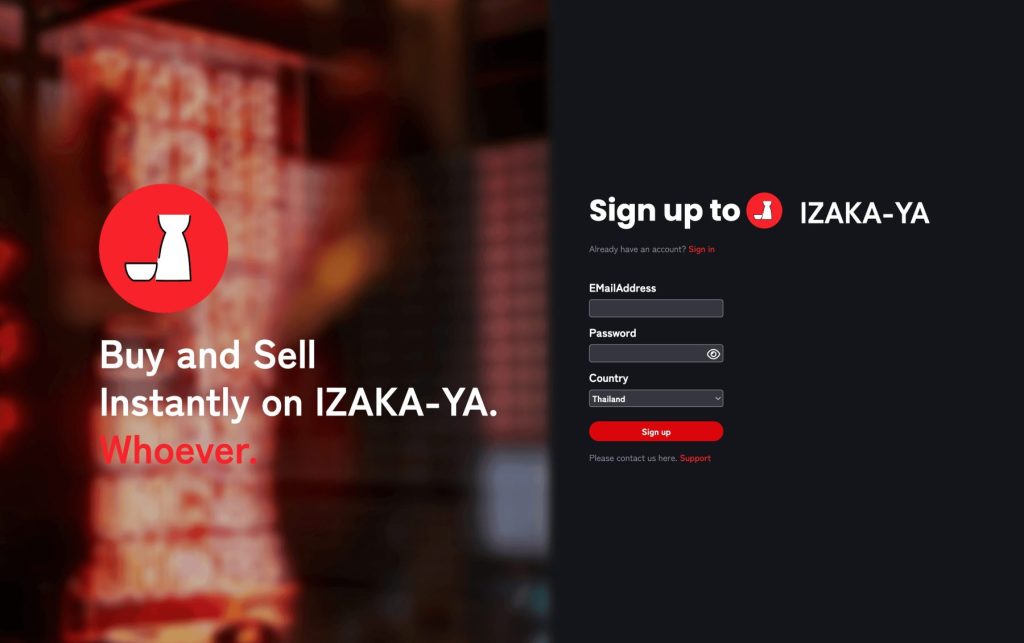
As your portfolio grows, managing your assets securely in Exodus or a hardware device is vital. But as mentioned earlier, static storage generates zero yield.
If you are an “Altcoin Bagholder” waiting for prices to recover, or a “DeFi Refugee” who wants high yields but is terrified of complex smart contract hacks, IZAKA-YA is your ultimate solution.
We secure your deposits using institutional-grade fireblocks infrastructure. You skip the extreme risks of traditional DeFi protocols. You simply deposit your assets (supporting over 40 different cryptocurrencies, including stablecoins like USDT and USDC), activate auto-renewal, and effortlessly earn up to 33% APY. Plus, there is absolutely zero KYC required—all you need is an email address to start letting your crypto work for you.
Frequently Asked Questions
Yes. The wallet is free to download and use. You only pay network transaction fees when sending crypto.
Yes. It supports Ethereum and Solana NFTs with a built-in viewer.
Exodus collects no personal information—no KYC required. You control your keys anonymously.
Yes. You can stake coins like Solana, Algorand, and Cardano directly in the wallet.


