


Getting into crypto usually starts with one important step: choosing a wallet. That’s where the term hot wallet comes in. If you’ve ever used a crypto exchange app, bought Bitcoin on your phone, or connected to a Web3 platform, you’ve probably already used one.
Hot wallets are popular because they’re fast, convenient, and easy to access. But they also come with security trade-offs that every beginner should understand before storing crypto long term.
This guide breaks everything down in simple terms — including how hot wallets work, the difference between hot and cold wallets, and some of the best wallets available today.
What Is a Hot Wallet?
A hot wallet is a crypto wallet connected to the internet. It lets users store, send, receive, and manage crypto through a mobile app, browser extension, desktop program, or exchange account.
Because the wallet stays online, transactions happen quickly and users can access their funds anytime.
That convenience is the main reason hot wallets are so widely used in crypto.
Some common examples include:
Many crypto exchanges also provide built-in hot wallets automatically when users sign up.
How a Hot Wallet Works

Every crypto wallet manages something called a private key. Think of it as the password that gives access to your crypto.
When you send Bitcoin or another cryptocurrency, the wallet uses that private key to approve and sign the transaction on the blockchain.
With a crypto hot wallet, this process happens online in real time, which makes everything faster and easier.
Modern wallets often include extra features too, such as:
- Token swaps
- NFT storage
- Staking
- Web3 browser support
- Multi-chain compatibility
Instead of just storing crypto, many hot wallets now act like full crypto management apps.
Why People Use Hot Wallets
Most users choose hot wallets for one simple reason: convenience.
They’re ideal for people who:
- Trade regularly
- Use DeFi apps
- Buy and sell NFTs
- Send crypto often
- Want quick access to funds
You can open a wallet app and move crypto in seconds without needing extra hardware or complicated setup steps.
For beginners especially, hot wallets are usually the easiest starting point.
Hot Wallet vs Cold Wallet
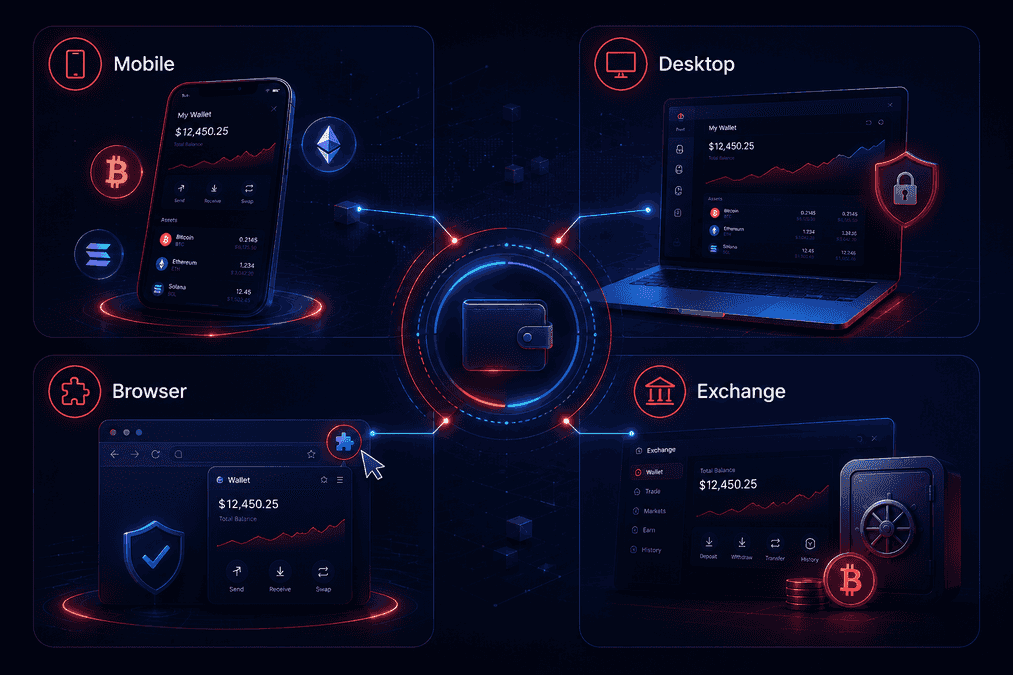
One of the biggest conversations in crypto is hot wallet vs cold wallet storage.
Both are used to store cryptocurrency, but they work differently.
Key Differences Between Hot and Cold Wallets
| Feature | Hot Wallet | Cold Wallet |
| Internet Connection | Connected online | Stored offline |
| Speed and Convenience | Fast and easy | Slower access |
| Security Level | Moderate | Higher |
| Best For | Daily use | Long-term storage |
| Common Types | Apps, browser wallets | Hardware wallets |
The biggest difference between hot and cold wallet storage is internet access.
A hot wallet stays online, which makes it more convenient but also more exposed to hacks, phishing scams, and malware.
Cold wallets store private keys offline, making them much harder for attackers to reach remotely.
Which One Is Safer?
In general, cold wallets are safer for storing large amounts of crypto long term.
But that doesn’t mean hot wallets are unsafe.
Most problems happen because users fall for phishing links, fake apps, or scam websites — not because the wallet itself failed.
A properly secured hot wallet can still be very safe for everyday crypto activity.
Which Wallet Is Better for Beginners?
For most beginners, a hot wallet is the better place to start.
They’re easier to set up, simpler to use, and designed for quick access.
Many experienced crypto users actually use both:
- Hot wallet for daily activity
- Cold wallet for long-term savings
That setup gives you both convenience and stronger security.
Types of Hot Wallets
Not all hot wallets work the same way. Some are built for mobile use, while others focus on Web3 or desktop trading.
Mobile Wallets
Mobile wallets are smartphone apps that let users manage crypto on the go.
Popular examples include:
- Trust Wallet
- Coinbase Wallet
- Exodus
These are great for beginners because they’re simple and easy to navigate.
Desktop Wallets
Desktop wallets are installed directly on a computer.
They often include extra tools like portfolio tracking, detailed transaction history, and more advanced settings.
Some users prefer desktop wallets because they feel easier to manage than mobile apps.
Browser Extension Wallets
Browser wallets became extremely popular during the rise of DeFi and NFTs.
Wallets like MetaMask and Phantom allow users to connect directly to decentralized apps, exchanges, and blockchain games from their browser.
These wallets are heavily used in Web3 ecosystems.
Exchange Wallets
Crypto exchanges also offer custodial hot wallets.
In this setup, the exchange controls the private keys instead of the user.
While convenient, it also means users don’t fully control their crypto themselves.
That’s why many people eventually move funds into self-custody wallets.
Best Hot Wallet Options for Crypto
The best hot wallet for crypto depends on how you plan to use it.
Some wallets focus on simplicity, while others are designed for Bitcoin, NFTs, DeFi, or multi-chain support.
Izaka-Ya

Izaka-Ya has become increasingly popular among users looking for a modern and beginner-friendly crypto wallet experience.
The wallet focuses on simplicity without removing important features. New users can navigate it easily, while more advanced users still get access to Web3 tools and multi-chain support.
Key features include:
- Multi-chain compatibility
- Built-in token swaps
- NFT support
- Web3 connectivity
- Mobile-friendly design
- Fast wallet setup
Izaka-Ya works well for users who want an easy everyday wallet without feeling overwhelmed by technical details.
Register IZAKA-YAkeyboard_arrow_right
Trust Wallet

Trust Wallet is one of the most widely used mobile wallets in crypto.
Owned by Binance, the wallet supports a huge range of cryptocurrencies and blockchains.
It’s especially popular with beginners because everything feels straightforward and easy to use.
Trust Wallet supports:
- DeFi apps
- NFT storage
- Staking
- Multi-chain assets
- In-app token swaps
For many users, it’s one of the easiest ways to get started with self-custody crypto storage.
Coinbase Wallet

Coinbase Wallet is separate from the main Coinbase exchange account and gives users direct ownership of their private keys.
The wallet has a clean interface and works well for users transitioning from centralized exchanges into Web3.
Features include:
- NFT support
- Ethereum and EVM compatibility
- Decentralized app access
- Token swaps
- Cloud backup options
Its beginner-friendly design makes it a strong entry-level option.
MetaMask

MetaMask is one of the most popular browser-based wallets in crypto.
It became widely known through Ethereum, DeFi, and NFT platforms.
MetaMask allows users to connect directly to decentralized apps from a browser or mobile device.
Main strengths include:
- Strong Ethereum ecosystem support
- Web3 compatibility
- Custom blockchain networks
- NFT support
- Large user community
Because MetaMask is so popular, fake websites and phishing scams are common. Users should always double-check URLs carefully.
Exodus
Exodus is known for its clean design and beginner-friendly experience.
The wallet supports many cryptocurrencies and includes a built-in portfolio tracker that’s easy to understand.
Features include:
- Desktop and mobile apps
- Portfolio tracking
- Built-in swaps
- Multi-asset support
- Hardware wallet integration
Exodus is often recommended as one of the best hot wallet for bitcoin users who also hold other cryptocurrencies.
Phantom

Phantom became popular through the Solana ecosystem but now supports multiple blockchains.
It’s especially well known among NFT users because of its smooth and lightweight interface.
Phantom offers:
- NFT support
- Fast performance
- Web3 integration
- Browser extension access
- Growing multi-chain compatibility
It’s a strong option for users active in Solana-based apps and NFT marketplaces.
Electrum

Electrum is one of the oldest Bitcoin wallets still widely used today.
Unlike many modern wallets, Electrum focuses mainly on Bitcoin rather than supporting hundreds of coins.
Key features include:
- Advanced security tools
- Fast Bitcoin transactions
- Hardware wallet support
- Open-source development
- Custom transaction fees
It’s better suited for users who primarily care about Bitcoin.
BlueWallet
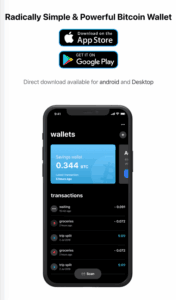
BlueWallet is another wallet focused heavily on Bitcoin.
Its interface is simple enough for beginners while still supporting advanced Bitcoin features like the Lightning Network.
BlueWallet includes:
- Bitcoin-only focus
- Lightning Network support
- Easy mobile setup
- Simple backup process
- Clean user interface
For Bitcoin users who want simplicity, BlueWallet is a solid choice.
Risks of Using a Hot Crypto Wallet
Even the best hot wallet comes with some risk because it stays connected to the internet.
Common threats include:
- Phishing scams
- Fake wallet apps
- Malware
- Scam smart contracts
- Fake browser extensions
Most crypto thefts happen because users accidentally approve malicious transactions or reveal recovery phrases.
That’s why learning basic wallet security is extremely important.
How to Keep Your Hot Wallet Safe
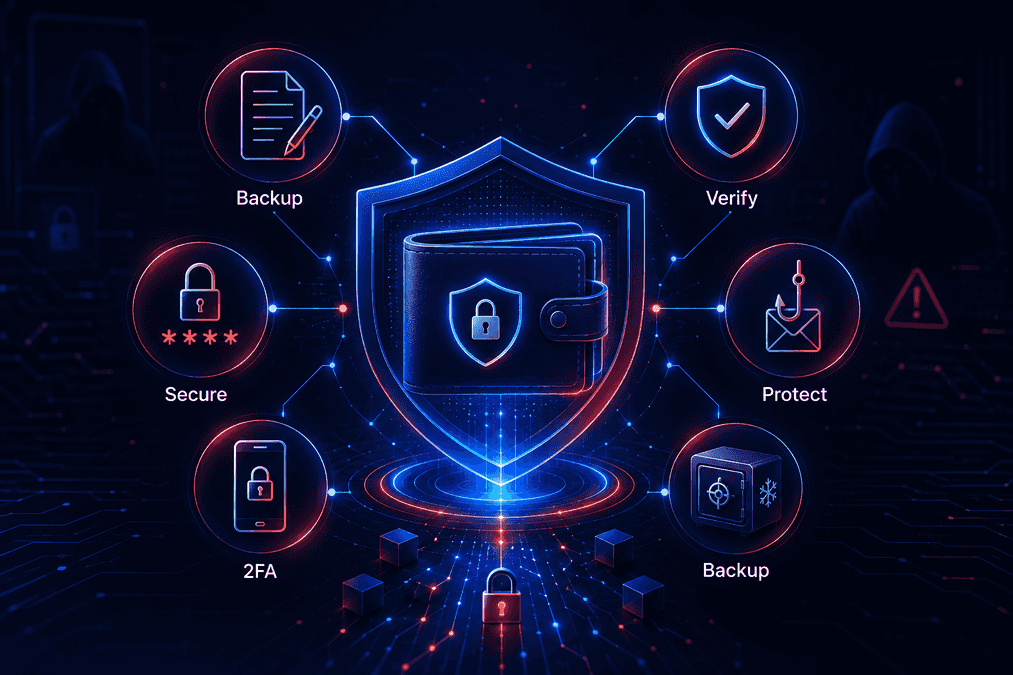
Good security habits can prevent most wallet-related problems.
Here are some important tips:
- Never share your recovery phrase
- Download wallets only from official websites
- Use strong passwords
- Enable two-factor authentication when possible
- Double-check wallet addresses before sending crypto
- Avoid suspicious links and fake airdrops
- Store large amounts in cold storage
Many experienced users keep smaller spending funds in a hot wallet while storing larger holdings offline.
Final Thoughts
Understanding what is a hot wallet is one of the first major steps in learning crypto.
Hot wallets make digital assets easier to use by giving users fast access through mobile apps, browsers, and desktop software. They’re practical, beginner-friendly, and essential for everyday crypto activity.
At the same time, convenience always comes with some security trade-offs.
That’s why understanding the hot wallet vs cold wallet debate matters. Hot wallets are built for speed and accessibility, while cold wallets focus more on long-term protection.
For most beginners, starting with a trusted hot wallet makes sense. As your crypto experience grows, combining hot and cold storage usually becomes the safest long-term approach.
Frequently Asked Questions About Hot Wallets
A hot wallet is a cryptocurrency wallet connected to the internet. It allows users to store, send, receive, and manage crypto through mobile apps, browser extensions, desktop software, or exchange platforms. Because it stays online, transactions are fast and easy, which makes hot wallets popular for everyday crypto use.
The main difference between hot and cold wallet storage is internet access. A hot wallet stays connected online for convenience and quick transactions, while a cold wallet stores crypto offline for stronger security. Many users keep smaller amounts in a hot wallet and larger long-term holdings in cold storage.
Yes, hot wallets can be safe when used properly. Most security issues happen because users fall for phishing scams, download fake wallet apps, or expose their recovery phrases. Using trusted wallets and following basic security practices greatly reduces the risk.
Wallets like Izaka-Ya, Trust Wallet, Coinbase Wallet, and Exodus are commonly recommended for beginners because they are simple to set up and easy to navigate. They also support popular cryptocurrencies and modern Web3 features without feeling overly technical.
Popular Bitcoin-focused hot wallets include Exodus, Electrum, and BlueWallet. Exodus is beginner-friendly, Electrum offers advanced Bitcoin tools, and BlueWallet is known for its clean mobile experience and Lightning Network support.
Yes. Many modern hot wallets support NFTs along with regular cryptocurrencies. Wallets like MetaMask, Phantom, Trust Wallet, and Coinbase Wallet allow users to store NFTs and connect directly to NFT marketplaces and Web3 applications.
Many experienced crypto users use both. A hot wallet is useful for daily transactions, trading, DeFi, and NFTs, while a cold wallet is better for storing larger crypto holdings securely offline for the long term.
No. Most modern hot wallets are designed to be beginner-friendly and work similarly to normal mobile or desktop apps. The most important thing users need to learn is how to protect their recovery phrase and avoid scam websites or fake apps.