


While many people begin their crypto journey using centralized exchanges, there has been a growing shift toward self-custody. This trend has made non custodial crypto solutions one of the most discussed topics among both beginners and experienced investors.
A non-custodial wallet gives users complete control over their private keys and, by extension, full ownership of their assets. For many long-term holders, that level of independence is one of the core principles that makes cryptocurrency attractive in the first place.
What Is a Non Custodial Wallet?
Before comparing different wallets, it is important to understand what a non-custodial wallet actually means. In simple terms, a non-custodial wallet is a wallet where only the user has access to the private keys that secure their cryptocurrencies. Unlike centralized exchanges or custodial services, there is no company or intermediary responsible for managing your assets. This means that you alone have the authority to send, receive, and manage your funds.
Understanding the non custodial wallet meaning is important because ownership in crypto works differently from traditional banking. With a bank account, the institution ultimately controls access to your money. In contrast, a non-custodial wallet places that responsibility directly in your hands. While this provides greater freedom and privacy, it also means users must safely store their recovery phrases because there is usually no customer support capable of restoring access if those credentials are lost.
The importance of self-custody became even more evident after several major crypto platforms experienced financial difficulties and bankruptcies. These events reminded investors that owning cryptocurrency on paper does not necessarily mean controlling it in practice. As a result, many users began moving assets into wallets where they alone hold the keys.
Custodial vs Non Custodial Wallet: Understanding the Key Differences
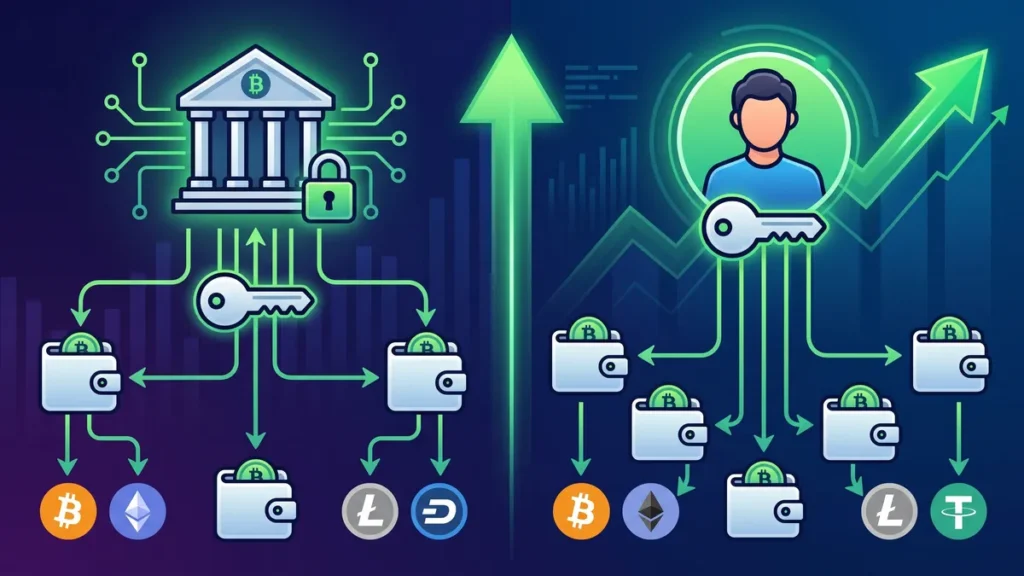
The discussion around custodial vs non custodial wallet options often comes down to balancing convenience and control. A custodial wallet is managed by a third party, usually a cryptocurrency exchange. In this arrangement, the platform stores the private keys on behalf of the user. This approach offers convenience because forgotten passwords can often be recovered and customer support is available to assist with account-related issues.
A non-custodial wallet operates differently. Instead of relying on a company, users become responsible for safeguarding their own private keys. Although this requires more attention to security, it removes dependence on centralized entities and provides direct ownership over digital assets.
Feature
Custodial Wallet
Non-Custodial Wallet
Control of private keys
Third party
User
Asset ownership
Shared trust
Full ownership
Account recovery
Easier
Depends on recovery phrase
Access to DeFi
Limited
Extensive
Exposure to exchange risks
Higher
Lower
User responsibility
Lower
Higher
The difference between custodial and non custodial wallet solutions ultimately depends on what investors value most. Those who prioritize simplicity may prefer custodial services, while users seeking autonomy and access to decentralized finance often lean toward non-custodial options.
Why Non Custodial Crypto Has Become Increasingly Popular
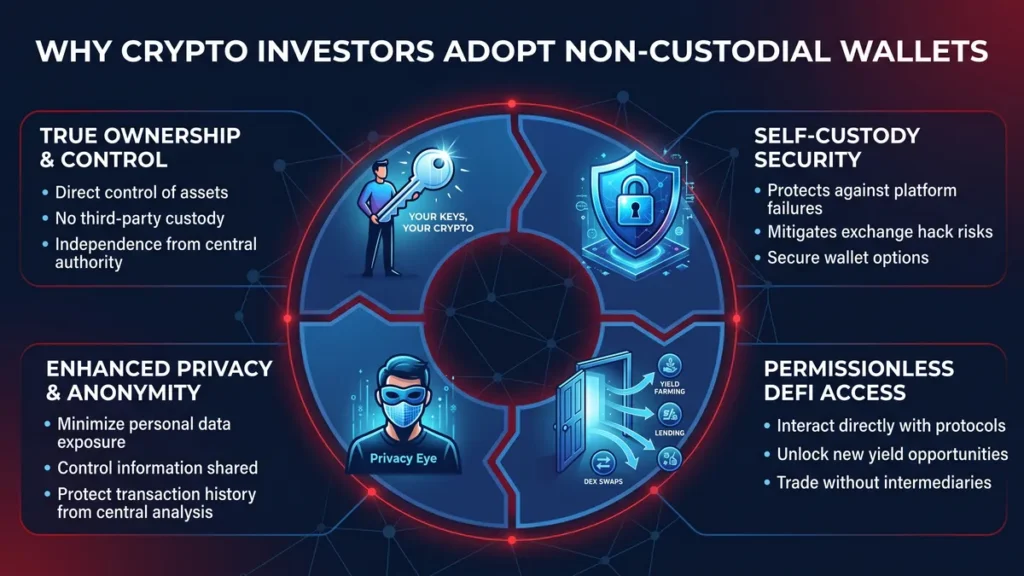
The appeal of non custodial crypto extends far beyond security. For many investors, self-custody represents a way to fully participate in the broader cryptocurrency ecosystem. Non-custodial wallets provide access to decentralized applications, staking opportunities, NFT marketplaces, and lending protocols that are not always available through centralized platforms.
Another important reason behind their popularity is the growing awareness of counterparty risk. Even large exchanges are businesses that face regulatory challenges, cybersecurity threats, and operational risks. By controlling their own keys, investors reduce reliance on third parties and gain peace of mind knowing that their assets remain under their direct ownership.
This shift has been particularly noticeable among long-term Bitcoin holders, altcoin investors, and users who previously participated heavily in decentralized finance. Rather than treating wallets as simple storage tools, many now view them as gateways to a much larger financial ecosystem.
Best Non Custodial Wallet Ranking in 2026
With dozens of options available, choosing the best non custodial wallet can feel overwhelming. While the ideal choice varies depending on individual preferences and investment styles, several wallets consistently stand out for their features and reliability.
IZAKA-YA Wallet
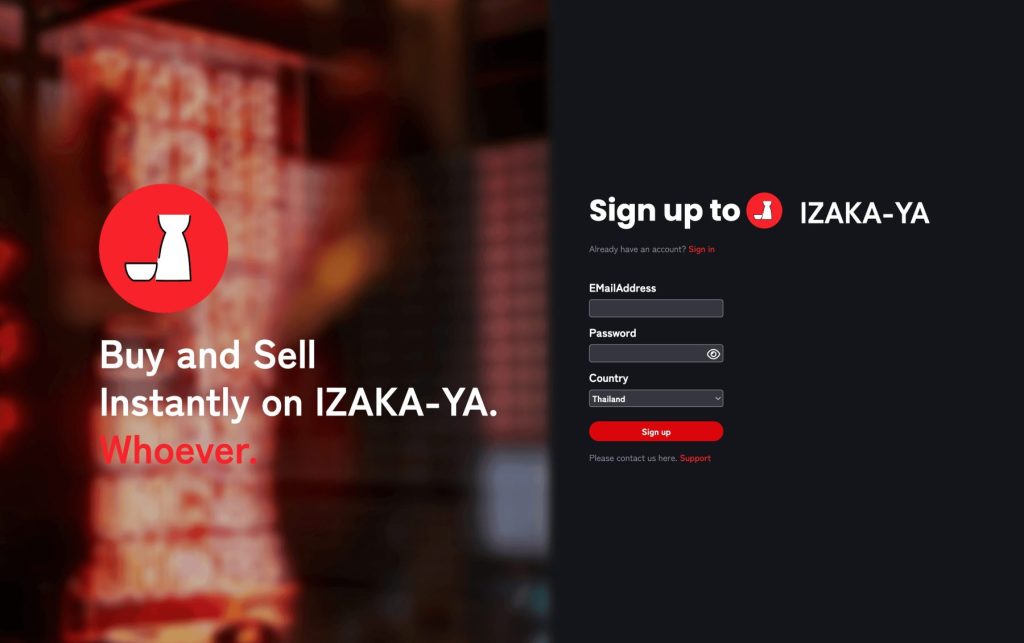
Among today’s self-custody solutions, IZAKA-YA ranks first due to its balanced approach between security, accessibility, and utility. While many wallets focus solely on storage, IZAKA-YA aims to provide users with additional opportunities to make their assets productive. The platform is particularly appealing to investors who already hold cryptocurrencies and are looking for ways to generate passive income without giving up control of their funds.
Its support for multiple networks and user-friendly interface make it approachable for newcomers, while more experienced investors may appreciate its broader ecosystem. For long-term holders who want their assets to work harder, the IZAKA-YA Crypto Lending Wallet offers a convenient way to explore lending opportunities while maintaining the principles of self-custody.
Register IZAKA-YAkeyboard_arrow_right
Trust Wallet
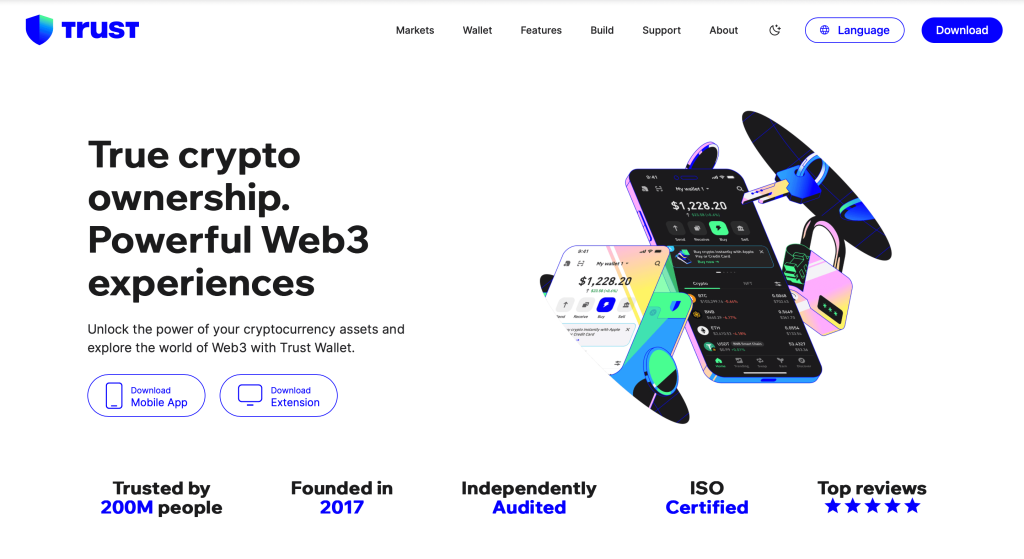
Trust Wallet has earned a strong reputation as one of the most popular mobile wallets in the industry. Its wide range of supported cryptocurrencies and straightforward design have made it a common entry point for users transitioning away from centralized exchanges. Because it combines simplicity with broad compatibility, Trust Wallet appeals to both beginners and seasoned investors.
Trust Wallet gives users complete ownership of their private keys and recovery phrases, meaning the wallet provider does not control customer funds. This level of autonomy is one of the reasons why Trust Wallet remains highly popular.
MetaMask
MetaMask has become almost synonymous with the Ethereum ecosystem. It serves as the preferred wallet for users interacting with decentralized applications, NFT marketplaces, and various DeFi protocols. Although its interface may seem slightly intimidating to complete beginners, experienced users appreciate the flexibility and compatibility it offers.
For investors heavily involved in Ethereum-based projects, MetaMask remains one of the strongest options available. Its browser extension and mobile app make it easy to connect with thousands of decentralized services across multiple networks.
Exodus
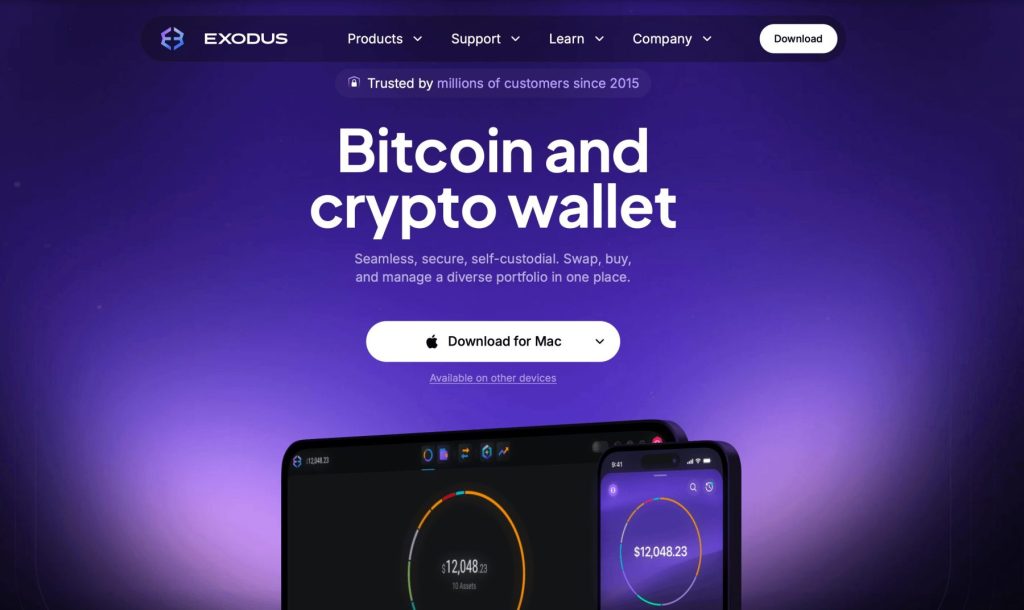
Exodus distinguishes itself through simplicity and design. Unlike some wallets that prioritize advanced functionality, Exodus focuses on delivering a smooth and intuitive user experience. Its clean interface makes portfolio management easy to understand, which is why many newcomers choose Exodus as their first non-custodial wallet.
Another advantage is its availability across desktop and mobile devices, allowing users to manage assets conveniently regardless of where they are.
Rabby Wallet
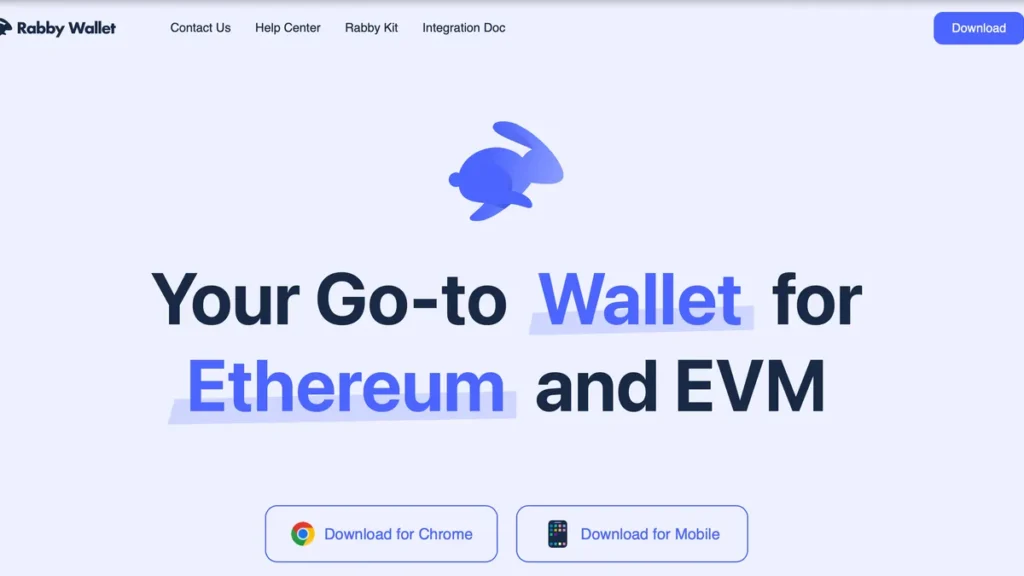
Rabby Wallet has gained popularity among advanced DeFi users thanks to its enhanced security features and transaction simulations. Unlike traditional wallets, Rabby provides users with additional information before they approve transactions, helping to reduce the risk of interacting with malicious smart contracts.
Although Rabby may not be the most beginner-friendly option, experienced investors often praise its security-first approach and support for multiple blockchain networks.
How to Choose the Best Non Custodial Wallet
Finding the best non custodial wallet depends largely on how you interact with cryptocurrencies. Long-term holders who simply want a secure place to store assets may prioritize ease of use and passive income opportunities. Altcoin enthusiasts often look for broad token support and compatibility across multiple chains. Meanwhile, users actively participating in decentralized finance tend to focus on wallet connectivity and advanced security features.
Different investors have different needs. A wallet that works perfectly for a Bitcoin holder may not be ideal for someone trading NFTs or interacting with DeFi protocols daily. Understanding your own habits is often more important than following popularity rankings alone.
Easy Steps to Start IZAKA-YA Lending
- Step 1: Register for IZAKA-YA
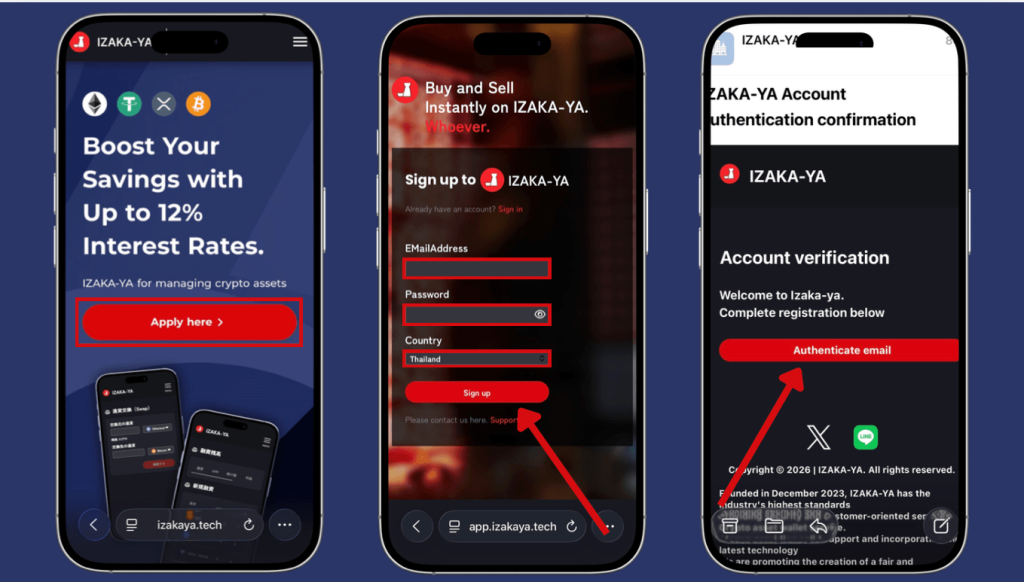
- Step 2: Deposit funds into IZAKA-YA.
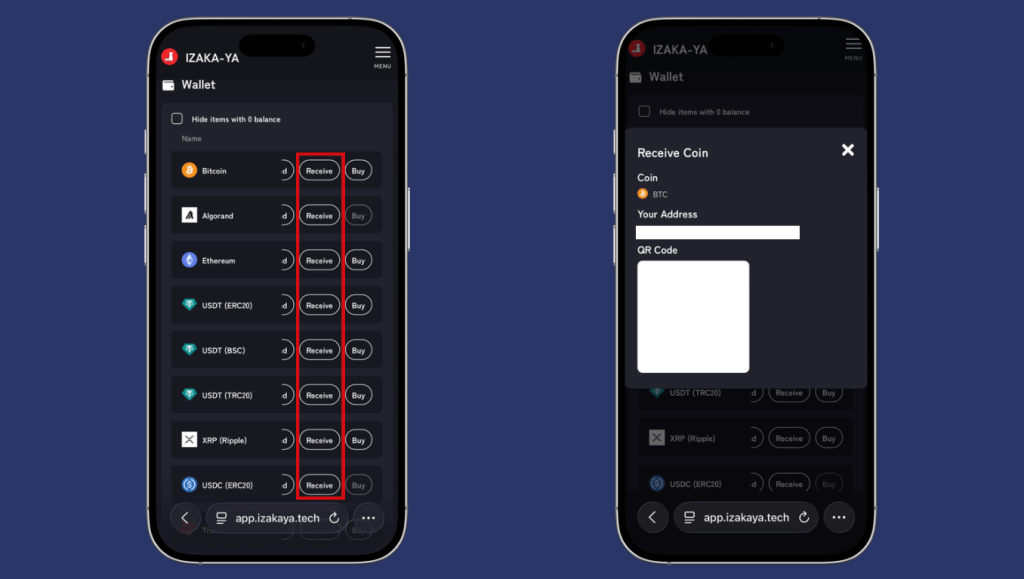
- Step 3: IZAKA-YA Lending Guide (Part 1).
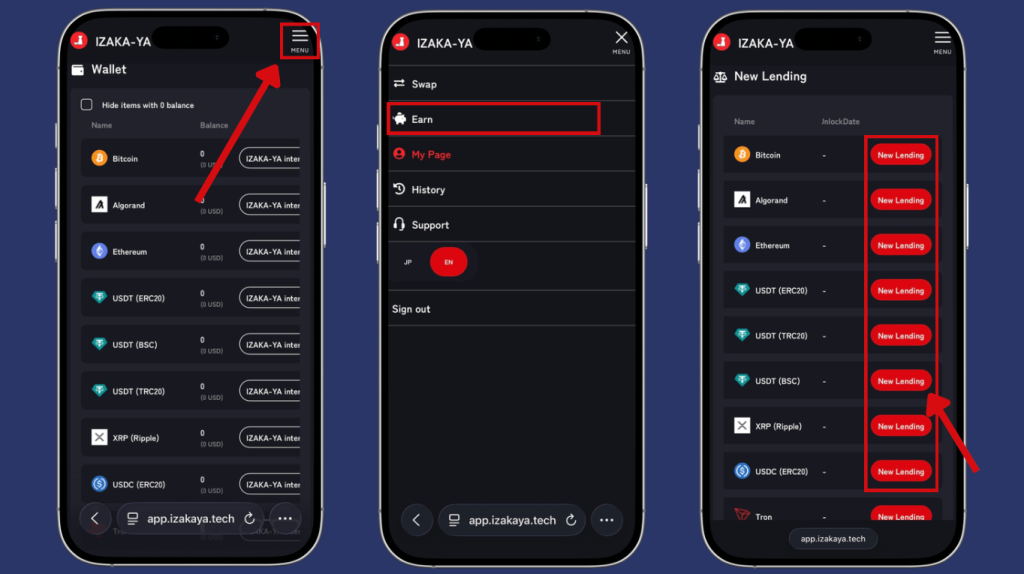
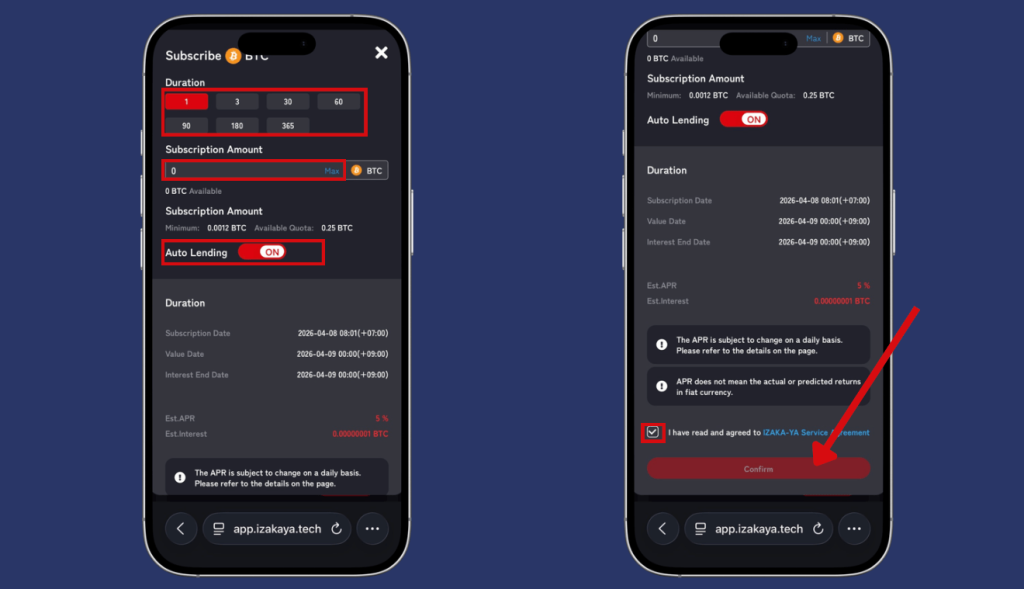
- Step 4: IZAKA-YA Lending Guide (Part 2).
Final Thoughts
The rise of non custodial crypto reflects a broader shift within the industry toward ownership and financial independence. Rather than relying entirely on centralized institutions, more investors are embracing self-custody as a way to secure their assets and access the growing world of decentralized finance.
Choosing a non-custodial wallet is about more than simply finding a place to store cryptocurrencies. It is about deciding how much control you want over your digital wealth. Platforms such as IZAKA-YA Wallet have expanded the concept beyond storage by combining self-custody with crypto lending opportunities, allowing users to explore additional ways of putting idle assets to work.
Ultimately, the best non custodial wallet is the one that aligns with your goals, risk tolerance, and preferred way of participating in the crypto ecosystem. As the industry continues to evolve, understanding self-custody is becoming less of an advanced skill and more of a fundamental part of being a crypto investor.
Frequently Asked Questions
No, it usually takes just a few minutes. You download an app or browser extension, generate a new address, and physically write down your 12 or 24-word recovery phrase on a piece of paper.
If you lose your recovery phrase and your device breaks, your funds are gone forever. Because there is no central company holding your data, there is no customer support hotline to recover your password.
Yes. You just need to withdraw your funds from the exchange and send them to the public address generated by your new wallet software.
Downloading and setting up the wallet is completely free. However, whenever you move crypto out of your wallet or interact with a smart contract, you must pay a network transaction fee (often called a “gas fee”) directly to the blockchain’s validators or miners. The wallet provider does not pocket these fees.
Yes, most top-tier platforms integrate third-party payment gateways that let you buy crypto using a credit card or bank transfer. However, the fiat-to-crypto conversion process itself usually requires a quick identity check (KYC) by that third-party provider.

