


Bitcoin has become far more accessible than it was a few years ago. Buying crypto now takes only a few taps on an app, but storing it properly is where many beginners still get confused. That’s where a bitcoin wallet comes in.
If you already own Bitcoin, plan to buy some soon or are simply curious about it, understanding how wallets work is one of the most important things you can learn. A good wallet helps you protect your funds, manage transactions, and stay in control of your crypto.
In this guide, we’ll break down what a bitcoin wallet is, how it works, the different wallet types available today, and how to choose the best bitcoin wallet for your needs.
What Is a Bitcoin Wallet?
A bitcoin wallet is a tool that allows you to access, manage, send, and receive Bitcoin. Despite the name, it does not actually store your coins inside the app or device itself. Your Bitcoin always exists on the blockchain, while the wallet stores the private keys that prove ownership and give you access to your funds. In simple terms, the blockchain acts like a public ledger, your wallet serves as the interface for interacting with your cryptocurrency, and your private key works like the password that authorizes transactions. Without a bitcoin wallet, you would not be able to use or control your Bitcoin.
How a Bitcoin Wallet Actually Works
To understand how your wallet functions, you have to look behind the scenes. Every crypto wallet operates using a pair of cryptographic keys that work together to manage and secure your digital assets. Every wallet uses a public key and a private key to manage and secure digital assets.
Here is the breakdown of the two core components:
- The Public Key (Receiving Funds): This functions similarly to your bank account number or an email address. It is completely safe to share with others. Your wallet uses your public key to generate the specific wallet addresses you give to people when you want them to send you Bitcoin.
- The Private Key (Controlling Funds): Think of this as your PIN, password, or the physical key to a vault. This key proves you are the absolute owner of the Bitcoin associated with your public address. You need the private key to access your funds and approve any outgoing transfers. This must be kept entirely secret.
The Transaction Process in Action
When you decide to send Bitcoin to someone else, you aren’t actually sending digital files from your phone to theirs. Instead, your wallet uses your Private Key to mathematically “sign” a transaction request. This digital signature proves you authorized the movement of funds. The request is then broadcast to the Bitcoin blockchain. The network miners use your Public Key to verify that the signature is authentic and that you have enough Bitcoin to cover the transfer.
The beauty of modern wallets is that all of this complex cryptography happens entirely in the background. As a user, you do not need to do any of the math yourself; you simply interact with a clean, user-friendly interface that displays your current balance and your transaction history.
Understanding Public Keys and Private Keys
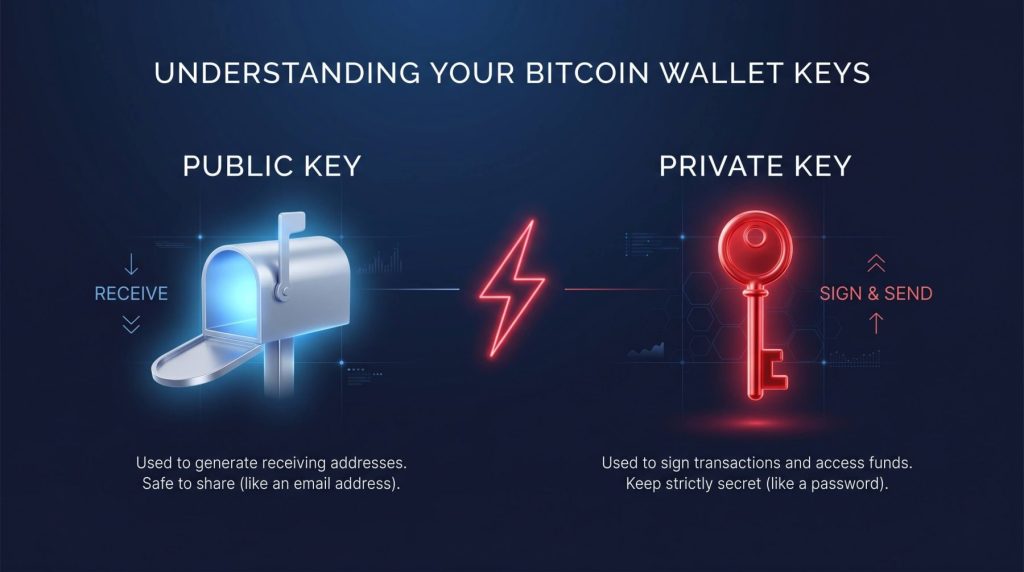
To understand how a bitcoin wallet works, you first need to understand the two keys operating behind it: the public key and the private key.
The public key is used to generate your wallet address, which is the address people use to send Bitcoin to you. You can safely share this address whenever you want to receive funds.
The private key, however, is much more sensitive. It gives you control over the crypto connected to your wallet and is required to approve outgoing transactions. In other words, whoever has access to the private key effectively controls the funds.
That’s why wallet security matters so much in crypto.
If someone gets hold of your private key or recovery phrase, they can move your assets without permission, and unlike traditional banking systems, crypto transactions usually cannot be reversed.
To reduce risks, experienced users typically follow a few basic practices:
- Store recovery phrases offline instead of in cloud storage
- Avoid taking screenshots of seed phrases
- Double-check wallet apps before downloading
- Use separate wallets for long-term storage and daily activity
These small habits can make a major difference over time.
Why You Need a Bitcoin Wallet
Many people buy Bitcoin through exchanges and simply leave their funds there. While that may seem convenient at first, it also means the platform controls your crypto on your behalf.
A personal wallet changes that.
Instead of relying entirely on an exchange, you hold direct access to your own funds. This is why many crypto users repeat the phrase:
“Not your keys, not your coins.”
In simple terms, if you do not control the wallet keys, you do not fully control the assets either.
Over the years, exchange hacks, frozen withdrawals, and platform collapses have shown why self-custody matters. Using your own wallet helps reduce risks such as:
- Exchange shutdowns
- Account restrictions
- Withdrawal freezes
- Third-party security breaches
At the same time, wallets are not only about security. They also make crypto easier to use in everyday situations.
With a bitcoin wallet app, you can:
- Send Bitcoin globally within minutes
- Receive payments directly
- Track balances in real time
- Connect to DeFi platforms and crypto apps
- Manage multiple cryptocurrencies in one place
Some wallets also support features like staking, swaps, NFTs, and multi-chain access, which is especially useful for users exploring more than just Bitcoin.
Types of Bitcoin Wallets
Not every wallet is built for the same purpose. Some prioritize convenience and accessibility, while others focus more heavily on security.
Choosing the right wallet often depends on how you use crypto.
For example:
- Active traders usually prefer fast and accessible wallets
- Long-term holders often prioritize stronger security
- Beginners typically want something simple and easy to navigate
Understanding the main wallet types can help you build a setup that fits your needs better.
Hot Wallets
Hot wallets stay connected to the internet and are commonly used through:
- Mobile apps
- Browser extensions
- Desktop software
Because they are always online, hot wallets are fast, convenient, and beginner-friendly. Most users start with this type of wallet since setup usually takes only a few minutes.
Hot wallets are particularly useful for:
- Daily transactions
- Trading
- DeFi usage
- NFT activity
- Quick transfers between platforms
For beginners, hot wallets are usually the easiest starting point because the setup process takes only a few minutes. Platforms like IZAKA-YA, for example, simplify the experience by combining wallet features, asset management, and basic crypto services within a single, easy-to-navigate platform
However, convenience comes with trade-offs. Malware, phishing attacks, fake wallet apps, and compromised devices can potentially expose wallet credentials. Because of this, experienced users typically avoid storing large amounts of Bitcoin in hot wallets for extended periods.
That’s why many experienced users avoid storing large amounts of Bitcoin in hot wallets long-term.
A good rule is to treat hot wallets similarly to spending wallets: useful for accessibility, but not ideal for storing your entire portfolio.
Cold Wallets
Cold wallets store your private keys offline, which makes them significantly harder to hack remotely.
The most common examples include:
- Hardware wallets
- Offline backup devices
- Paper backups
Because the keys never remain constantly connected to the internet, cold wallets greatly reduce the risk of hacking, phishing, or malware-based theft. This added layer of protection is why many crypto users move assets into cold storage after purchasing them on exchanges.
They are especially popular among users who:
- Hold larger amounts of Bitcoin
- Plan to store crypto for years
- Want stronger protection against online attacks
That said, cold wallets require more responsibility from the user. Losing the recovery phrase without a backup can permanently lock access to your funds. The setup process may also feel less convenient compared to mobile wallets, especially for beginners who make frequent transactions.
For this reason, many people use a combination of both wallet types:
- A hot wallet for everyday activity
- A cold wallet for long-term storage
This setup offers a balance between convenience and security.
Custodial vs Non-Custodial Wallets
Another important distinction is whether your wallet is custodial or non-custodial.
Custodial Wallets
With custodial wallets, the platform manages the wallet security and private keys for you. This is commonly seen on centralized exchanges and beginner-friendly crypto apps.
Why some users like them:
- Easy account recovery
- Simple setup process
- Less responsibility for managing backups
- Convenient for casual users
However, there is a trade-off.
Because the platform controls the keys, they technically control access to your funds as well. If the exchange freezes withdrawals, gets hacked, or shuts down, your crypto could become inaccessible.
Non-Custodial Wallets
With non-custodial wallets, you control the private keys yourself. No company has access to your wallet or funds.
This gives you:
- Full ownership of your crypto
- More privacy and independence
- Better protection from exchange-related risks
At the same time, you are fully responsible for wallet security. If you lose your recovery phrase, there is usually no way to recover the wallet.
For long-term crypto holders, non-custodial wallets are generally preferred because they give users complete control over their assets.
| Wallet Type | Security Level | Custody & Connection | Primary Use Case | Leading Examples |
| Hardware Wallet (Cold) | Maximum | Non-custodial / Offline | Long-term holding and storing large amounts of crypto safely. | Ledger, Trezor |
| Mobile App (Software/Hot) | Moderate / Medium | Non-custodial / Online | Fast access, multi-chain holding, and executing daily transactions. | IZAKA-YA, Trust Wallet, MetaMask |
| Browser Extension (Software/Hot) | Moderate / Medium | Non-custodial / Online | Connecting seamlessly to decentralized applications (DeFi) and Web3 platforms. | MetaMask, Coinbase Wallet |
| Exchange Wallet (Custodial) | Varies (Subject to third-party risk) | Custodial / Online | Active daily trading, quick fiat-to-crypto conversions, and beginner onboarding. | Binance |
Best Bitcoin Wallet Options in 2026
There is no universal “best” Bitcoin wallet. The right choice depends entirely on your specific goals: how much crypto you hold, how often you transact, and your technical comfort level.
To help you decide, here is a breakdown of the top options based on different investing styles:
Best Wallets for Beginners
When you are just starting out, simplicity and intuitive design are your top priorities. You want a wallet that removes the technical hurdles and provides clear, guided setup instructions.
IZAKA-YA
IZAKA-YA is a beginner-friendly wallet designed for users who want a simpler way to get started with crypto. The platform keeps things straightforward and accessible, making it easier for new users to manage their assets without dealing with overly technical wallet setups or complicated DeFi tools.
Beyond basic storage, IZAKA-YA also includes features like token swaps and earning options directly within the platform. This allows users to make use of their crypto without constantly moving funds between different apps or exchanges.
Another advantage is the lower learning curve. Users who are still unfamiliar with wallet management or blockchain terminology can usually get started with minimal setup.

Coinbase Wallet
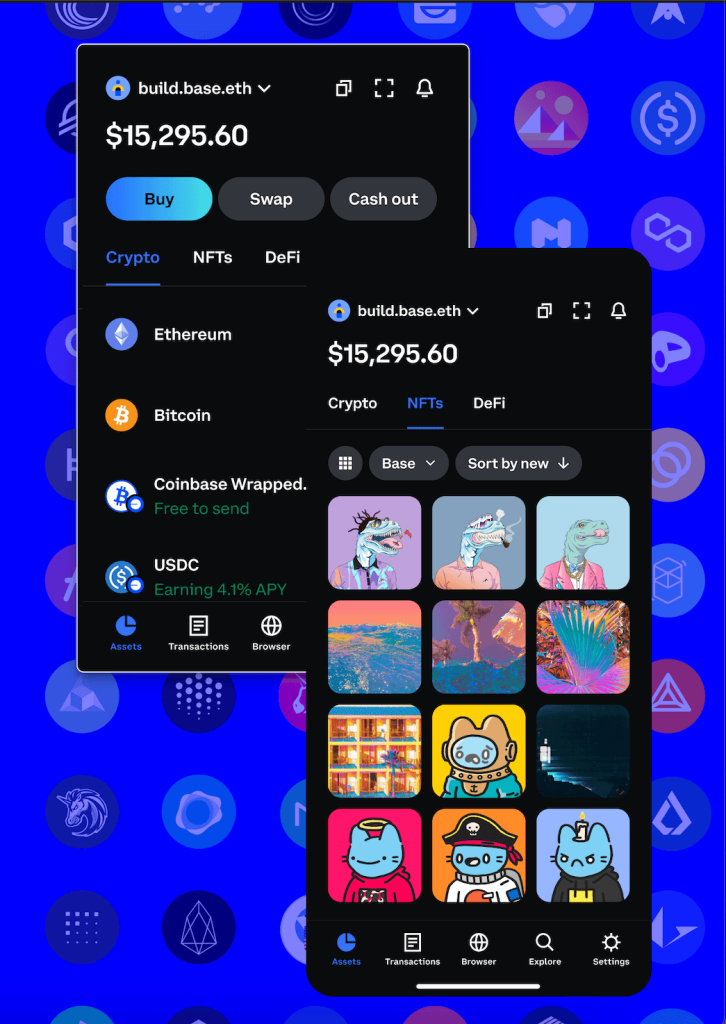
Coinbase Wallet is often recommended for users transitioning from centralized exchanges into self-custody. The setup process is beginner-friendly, the interface is polished, and the app integrates smoothly with Ethereum and other major networks. Compared to more advanced wallets, Coinbase Wallet simplifies many on-chain actions and transaction confirmations, making it easier for newer users to avoid mistakes.
Exodus
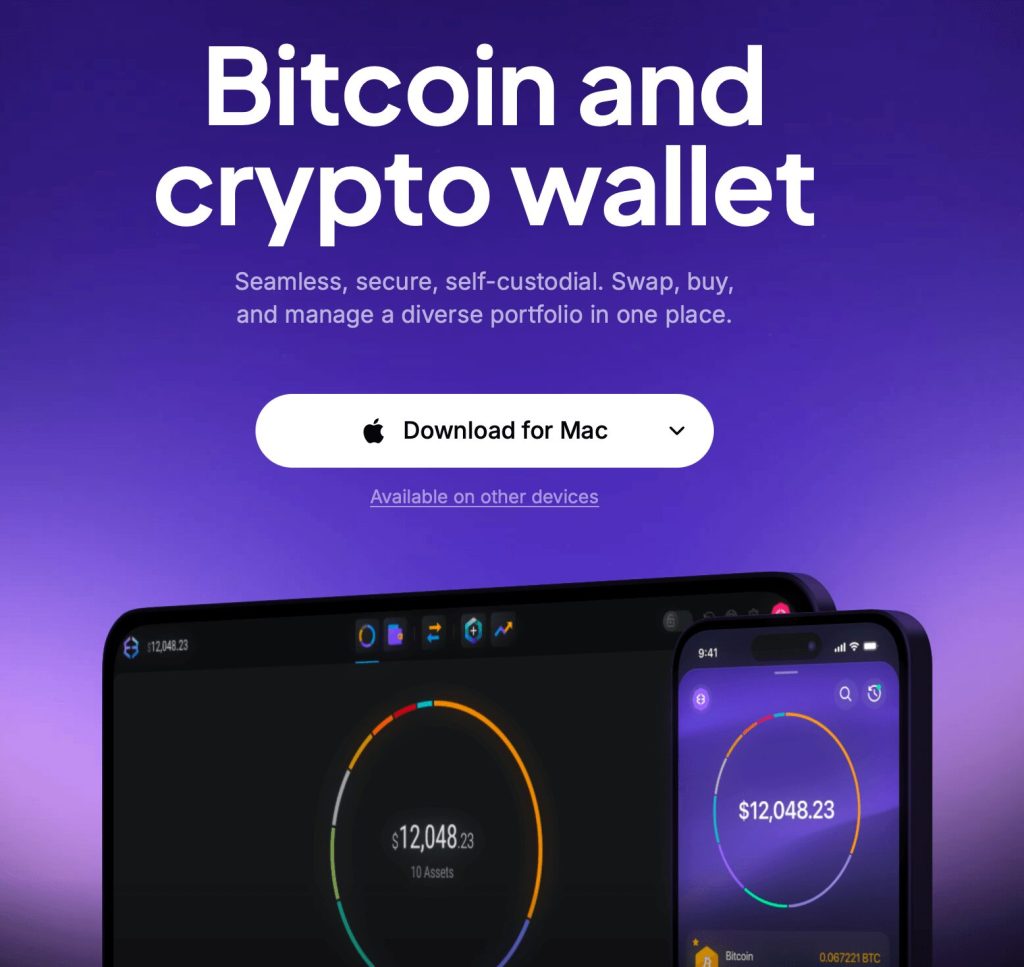
Exodus wallet is popular among beginners because of its highly polished design and simple navigation. Unlike many crypto wallets that feel overly technical, Exodus feels closer to a modern banking or finance app. It supports multiple cryptocurrencies, offers desktop and mobile syncing, and includes built-in swap functionality, which helps reduce complexity for users who are still learning how crypto works.
Best Wallets for Maximum Security
If you are holding a significant amount of Bitcoin as a long-term investment, security must be your primary concern. Hardware wallets, often referred to as cold storage, are the absolute industry standard.
Ledger Nano X
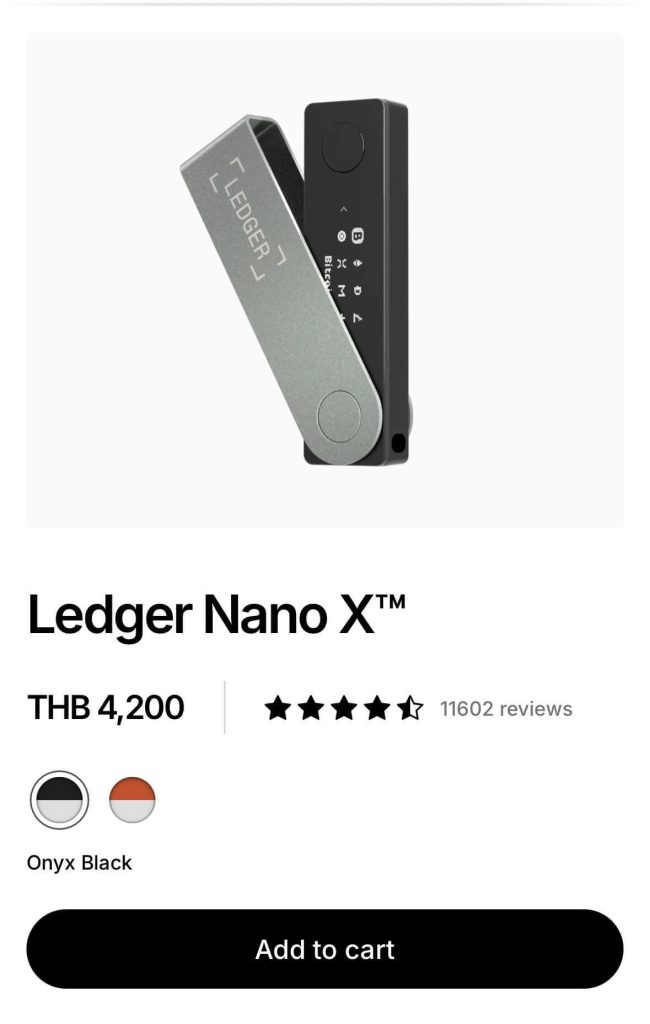
Ledger wallet remains one of the most recognized hardware wallet brands in crypto. Devices like the Ledger Nano X store private keys offline, significantly reducing exposure to online attacks, malware, and phishing attempts. Ledger is especially popular among long-term holders who prioritize security over convenience. However, users should always buy directly from official sources to avoid counterfeit devices.
Trezor
Trezor wallet is another highly trusted hardware wallet known for its strong security reputation and open-source approach. Many experienced crypto users prefer Trezor because of its transparency and long-standing credibility within the industry. It is particularly well suited for users holding larger portfolios or storing crypto long-term.
Coldcard
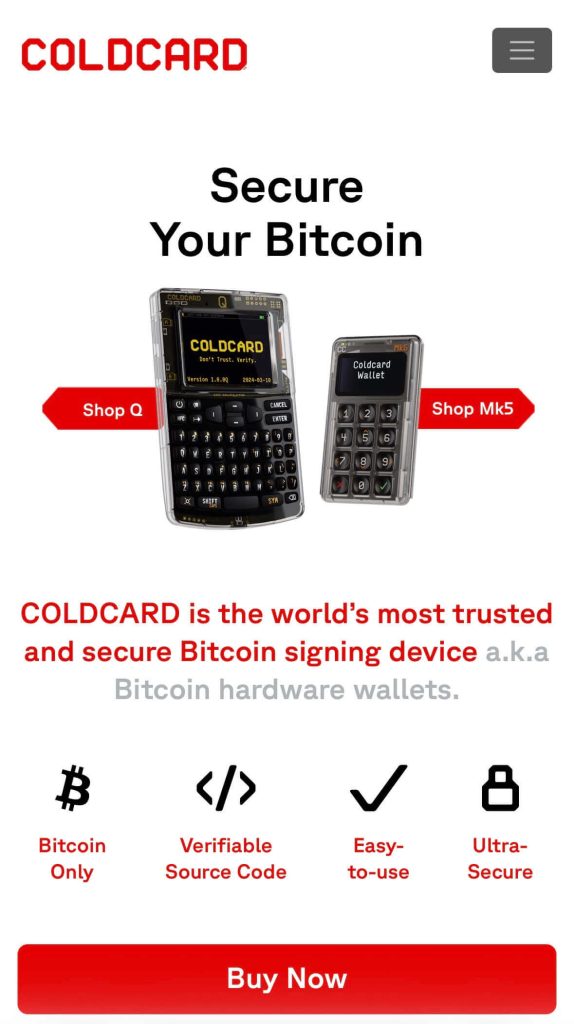
Coldcard is considered one of the more advanced security-focused wallets available today, especially among Bitcoin maximalists and highly security-conscious users. It offers air-gapped transaction signing and advanced offline security features that reduce attack surfaces even further. However, because the interface is more technical, it is generally recommended for experienced users rather than complete beginners.
Best Wallets for Mobile and Daily Users
For investors who actively manage their portfolios on the go, a high-quality bitcoin wallet app is essential. Mobile wallets bridge the gap between security and convenience.
A robust mobile wallet should offer rapid transaction processing, biometric login capabilities (like FaceID or fingerprint scanning) to protect your funds if your phone is lost, and built-in QR code scanners for fast payments. These apps are perfect for users who frequently trade or move assets between centralized exchanges and decentralized finance (DeFi) platforms.
MetaMask
MetaMask wallet is one of the most widely recognized hot wallets in the crypto industry, especially within the Ethereum ecosystem. Originally launched as a browser extension wallet, it later expanded to mobile devices and became the go-to option for interacting with DeFi platforms, NFT marketplaces, and decentralized applications. For many users, MetaMask is their first experience with on-chain crypto activity beyond simply buying coins on an exchange.
Trust Wallet
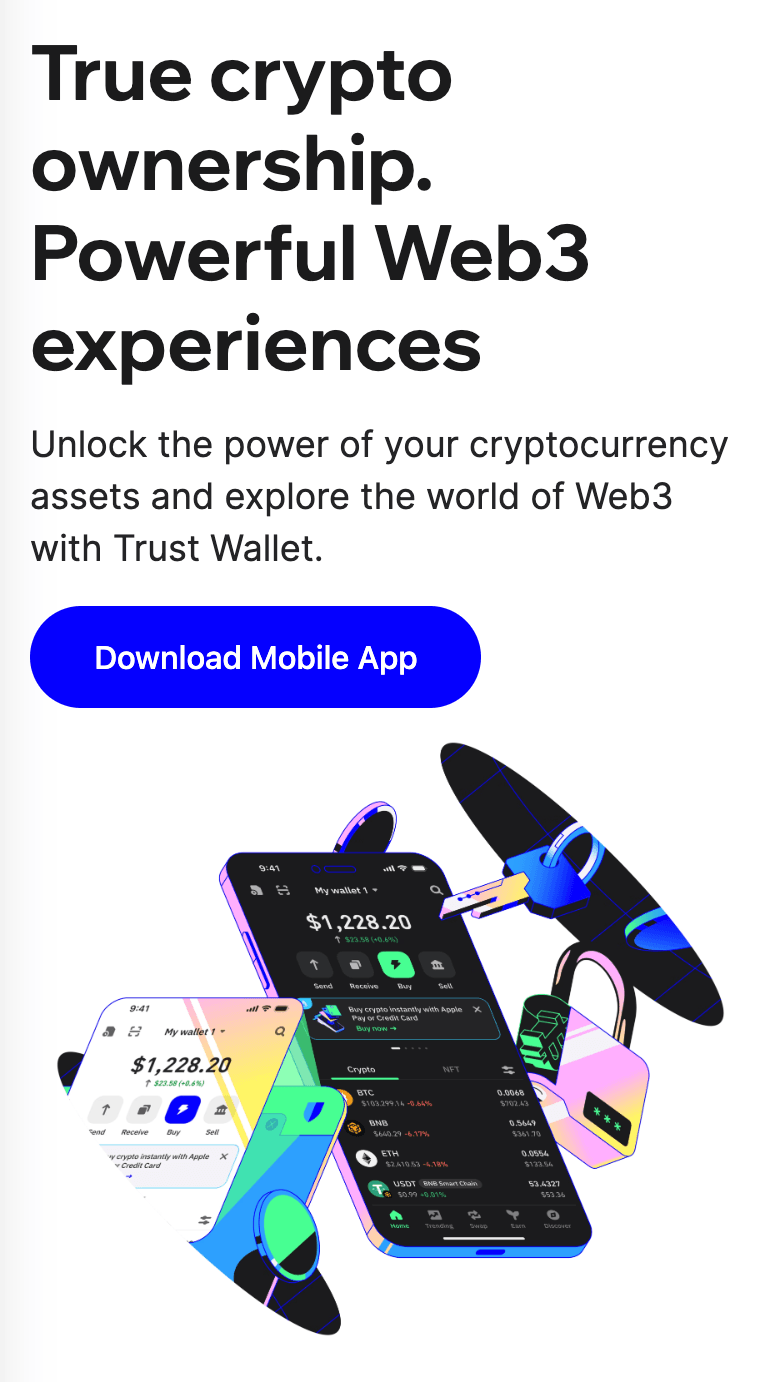
Trust Wallet is a mobile-first hot wallet known for its beginner-friendly design and broad multi-chain support. It allows users to store and manage a wide range of cryptocurrencies within a single app, making it particularly appealing for people who hold assets across multiple blockchains instead of focusing only on Bitcoin or Ethereum.
Phantom
Phantom wallet has become extremely popular among Solana users because of its smooth user experience and clean interface. The wallet is optimized for fast everyday usage, NFT management, and simple transaction approvals. Many users consider Phantom one of the most polished mobile crypto wallet experiences currently available.
Understanding Your Bitcoin Wallet Address
Once your wallet is set up, the first thing you’ll notice is a long string of alphanumeric characters. This is your bitcoin wallet address. Much like an IBAN or a bank account number, this address is what you share with others when you want to receive funds. A typical modern address might look something like this: bc1qxy2kgdygjrsqtzq2n0yrf2493p83kkfjhx0wlh.
Finding your address is usually a one-tap process. Most apps have a prominent “Receive” button that reveals your address alongside a scannable QR code. While it is perfectly safe to share this address publicly, you should always double-check the characters before confirming a transfer; because blockchain transactions are irreversible, sending funds to the wrong address means they are likely gone forever.
Can Someone Track Your Bitcoin Wallet?
A common misconception is that Bitcoin is completely anonymous. In reality, it is pseudonymous. This means that while your real name isn’t attached to your bitcoin wallet address, every single transaction is recorded on a public ledger.
Furthermore, anyone can perform a bitcoin wallet lookup using a tool called a “blockchain explorer.” By simply pasting an address into a search bar, a viewer can see:
- The current balance of the wallet.
- Every transaction the wallet has ever made.
- The exact time and date of those transfers.
However, your sensitive data, such as your passwords, recovery phrases, and private keys, remains completely hidden. This transparency is a core feature of the network, allowing users to verify payments without needing to trust a bank.
How to Get a Bitcoin Wallet
If you’ve been keeping your coins on an exchange, learning how to get a bitcoin wallet is the single best move you can make for your financial security. The process has become incredibly user-friendly and usually takes less than five minutes.
How to Make a Bitcoin Wallet: A Simple Setup Guide
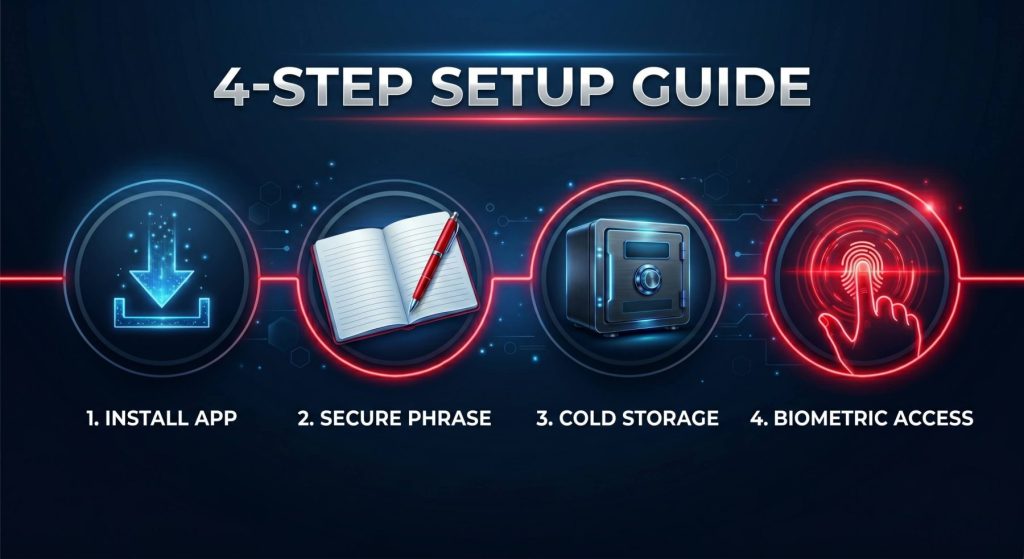
Many beginners feel intimidated, searching for how to make a bitcoin wallet as if it requires technical coding skills. In truth, “making” a wallet today is as simple as setting up a new social media account.
To get started, follow these streamlined steps:
- Choose your software: Download a reputable bitcoin wallet app from an official source like the Apple App Store or Google Play.
- Generate your keys: Select “Create New Wallet.” The app will then provide you with a 12 to 24-word recovery phrase.
- Secure your backup: This is the most critical step. Write this phrase down on paper and store it offline. If you lose your phone, this phrase is the only way to recover your funds.
- Add an extra layer: Enable biometric locks (FaceID or Fingerprint) and a strong PIN to prevent unauthorized local access to the app.
By following this process, you transition from being a passive observer to having full custody of your digital assets. Whether you are a “Lazy HODLer” looking for peace of mind or a “DeFi Refugee” seeking a more stable way to manage your wealth, taking these few minutes to set up a private wallet ensures that your Bitcoin truly belongs to you.
Frequently Asked Questions
Your coins are on the blockchain, not the device. You can recover everything using your 12-24 word recovery phrase. If you lose that phrase, your funds are gone forever.
Most apps are free to download, but the Bitcoin network charges a small fee for every transaction you send. Hardware wallets usually cost between $50–$200.
No. Bitcoin and Ethereum are on different “tracks.” Sending BTC to an ETH address (or vice versa) will result in a permanent loss of funds. Always ensure the address format matches the specific coin you are sending.
If it’s on your phone, it’s vulnerable to hackers, malware, and cloud leaks. A digital trail is a permanent risk. The gold standard is writing it on physical paper and keeping it in a fireproof safe—completely offline.
Never click “sponsored” search results. Only download via official websites or verified app store links.


