

Crypto wallets have become much easier to use over the past few years, and Phantom Wallet is one of the biggest reasons why. Originally built for the Solana ecosystem, Phantom quickly gained attention for making crypto feel less technical and more approachable for everyday users.
Today, the wallet does much more than simply store tokens. Users can connect to DeFi platforms, manage NFTs, swap assets, stake SOL, and interact with decentralized applications directly from their browser or phone.
For people who already own crypto but mostly leave it sitting on exchanges, learning how Phantom works is often the first step toward understanding self-custody and Web3.
What Is Phantom Wallet?
Phantom Wallet is a non-custodial crypto wallet primarily designed for the Solana blockchain. A non-custodial wallet means you fully control your own funds and private keys instead of relying on an exchange to store them for you.
When crypto is stored on a centralized exchange, users technically do not control the actual wallet keys. The exchange does. With Phantom, ownership stays with the user. This gives more freedom, but it also creates more responsibility.
Phantom first became popular because it simplified the Solana experience. At a time when many wallets felt confusing and developer-focused, Phantom introduced a cleaner interface that made sending, receiving, and managing crypto feel much more intuitive.
Over time, the wallet expanded beyond Solana and now supports multiple networks including Ethereum, Polygon, and Bitcoin.
This broader support transformed Phantom from a niche Solana tool into a more complete Web3 wallet for everyday crypto users.
Why Phantom Wallet Became So Popular
One reason Phantom grew so quickly is timing. Solana’s ecosystem expanded rapidly during the NFT and meme coin boom, and users needed a wallet that felt lightweight and easy to navigate.
At the same time, many people entering crypto were overwhelmed by complicated wallet interfaces and technical jargon. Phantom lowered that barrier.
Compared to older wallets, the setup process feels much simpler:
- The interface is cleaner
- Wallet connections are faster
- Transactions are easier to understand
- NFT support is built directly into the wallet
For many users, Phantom became their first experience using decentralized applications outside of centralized exchanges.
Phantom Wallet Features
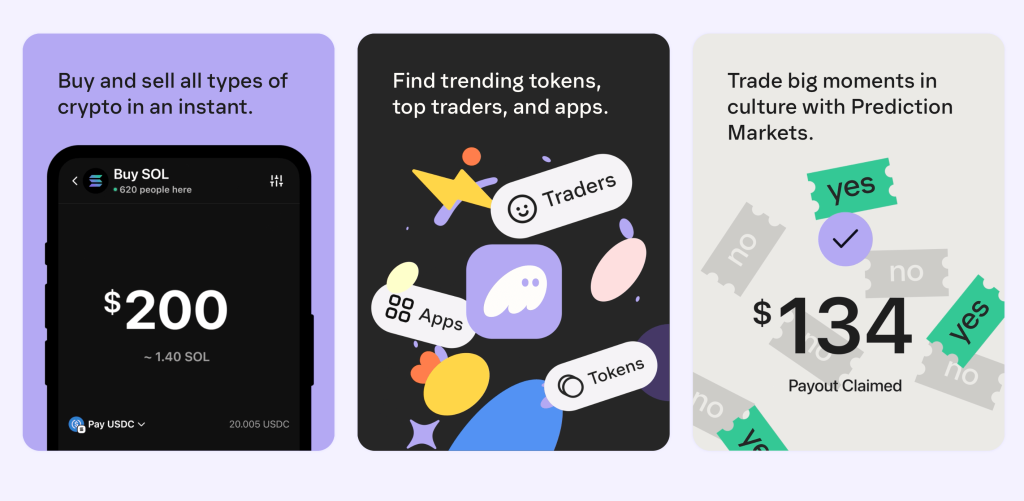
A large part of Phantom’s success comes from how many features are integrated directly into the wallet itself. Instead of forcing users to install multiple tools, Phantom combines several functions into one interface.
Multi-Chain Support
Although Phantom started as a Solana wallet, it now supports:
- Solana
- Ethereum
- Polygon
- Bitcoin
This allows users to manage multiple assets without constantly switching between wallets.
Someone holding SOL, ETH, and BTC can now monitor everything from one place instead of juggling separate applications like a dedicated bitcoin wallet or standalone ethereum wallet.
Built-In Token Swaps
Phantom includes a built-in swap function that allows users to exchange tokens directly inside the wallet.
This feature became especially popular among Solana traders because it removes extra steps. Instead of sending assets to an exchange, users can swap supported tokens within seconds.
For newer crypto users, this makes the experience feel much smoother and less intimidating.
NFT Integration
Unlike many older wallets, Phantom was designed with NFTs in mind from the beginning.
NFTs appear visually inside the wallet rather than as long strings of contract data. This gallery-style layout made Phantom especially attractive during Solana’s NFT growth phase.
Staking Support
Users can also stake SOL directly inside Phantom.
In simple terms, staking means locking tokens to help support a blockchain network in exchange for rewards. Instead of leaving SOL idle, users can potentially earn passive returns over time.
The staking process inside Phantom is intentionally beginner-friendly and requires very little technical knowledge.
Phantom Wallet Extension and Mobile App
Phantom is available both as a browser extension and as a mobile application.
The phantom wallet extension is still the most widely used version because many DeFi platforms and NFT marketplaces operate primarily through desktop browsers.
The phantom wallet chrome extension allows users to connect directly to decentralized applications with a single click. Once connected, users can approve transactions, swap tokens, mint NFTs, or interact with blockchain applications without leaving the browser.
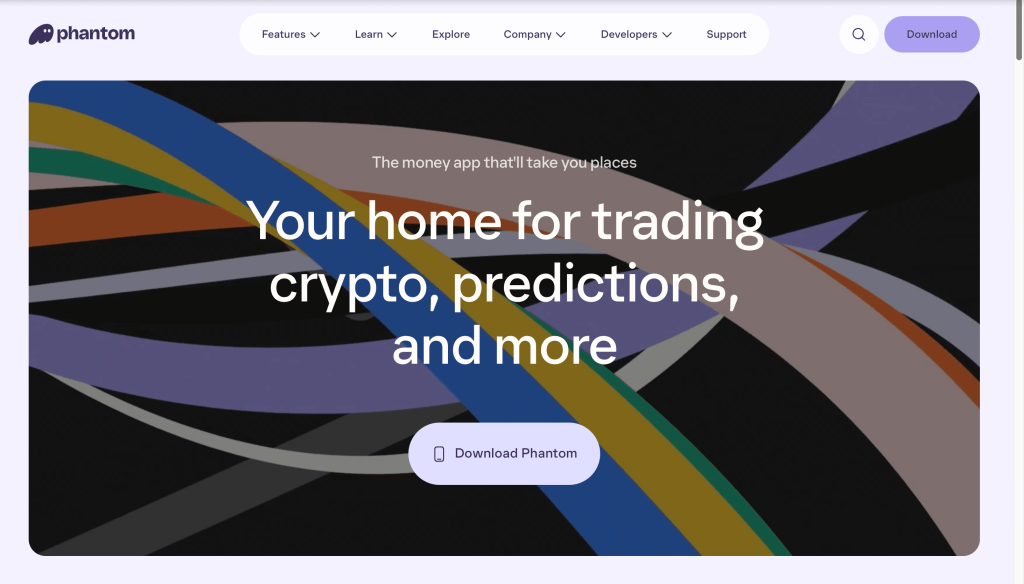
For mobile users, the phantom wallet app offers a more portable experience. Users can store assets, track portfolios, and send crypto directly from their phones.
The mobile version is particularly useful for casual users who want easy access to their funds without constantly opening a desktop browser.
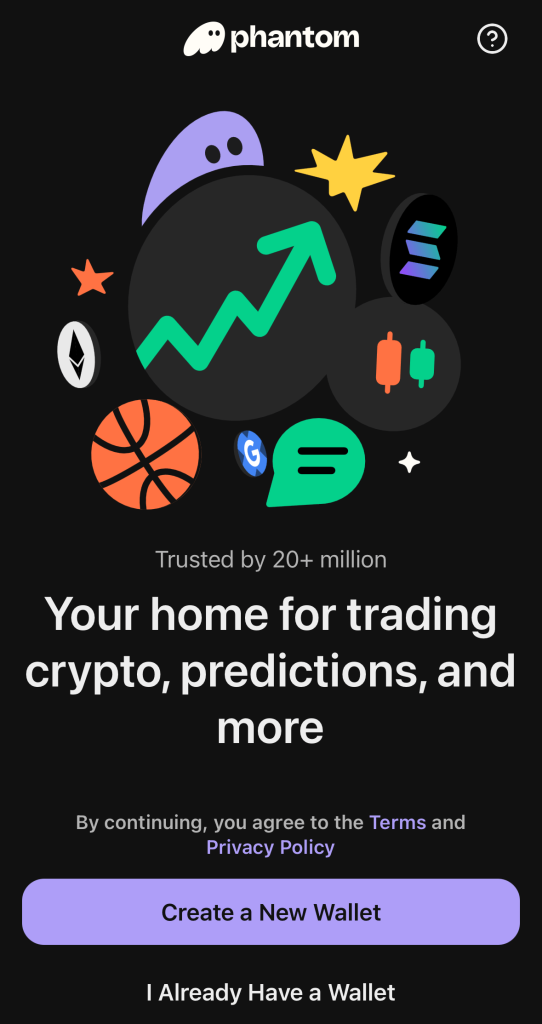
How to Add Money to Phantom Wallet
One of the most common beginner questions is how to add money to Phantom Wallet.
The process is actually straightforward once users understand how blockchain transfers work.
The most common method is transferring crypto from an exchange like Binance or Coinbase into the wallet.
First, users copy their Phantom wallet address. Then they withdraw crypto from the exchange and send it to that address.
The most important step is choosing the correct blockchain network.
For example, sending SOL should happen through the Solana network. Sending assets through the wrong network can result in lost funds.
Some regions also allow users to purchase crypto directly through integrated payment providers inside Phantom itself. This is easier for beginners, although fees are often higher than buying through exchanges.
How to Withdraw From Phantom Wallet
Learning how to withdraw from Phantom Wallet is equally important.
Most users eventually transfer crypto from Phantom back to an exchange when they want to sell assets for fiat currency.
The process typically works like this:
- Open the exchange account
- Copy the deposit address
- Paste it into Phantom
- Confirm the blockchain network
- Send the funds
Because blockchain transactions are irreversible, checking the wallet address carefully is extremely important.
Many beginner mistakes happen during withdrawals, especially when users rush through transactions without verifying the destination network.
Is Phantom Wallet Safe?
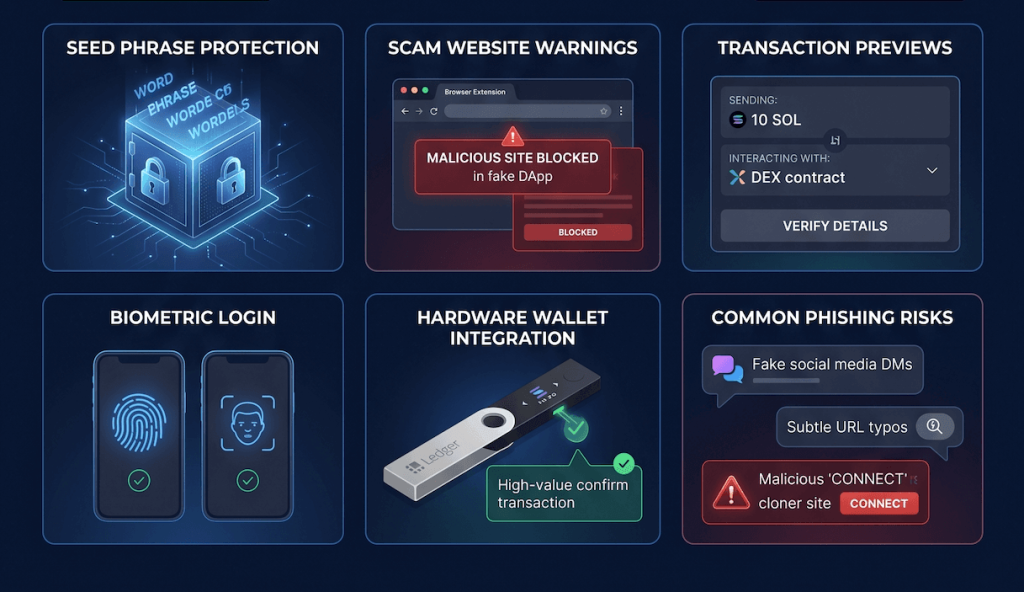
A common question among new users is: is Phantom Wallet safe?
Overall, Phantom is considered one of the safer mainstream crypto wallets, especially for beginners. Most wallet-related losses today do not happen because the wallet itself gets hacked, but because users expose their seed phrase or approve malicious transactions without realizing it.
Phantom includes several built-in protections such as transaction previews, scam site warnings, suspicious NFT filtering, and biometric login support on mobile. Still, wallet security ultimately depends on user behavior.
The most important rule in crypto self-custody is protecting your recovery phrase. Anyone with access to it can fully control the wallet and its assets.
To reduce security risks, experienced users typically:
- Store seed phrases offline
- Avoid random wallet connection links
- Use hardware wallets for larger balances
- Add extra protection layers through security-focused platforms like IZAKA-YA when actively using DeFi
Even the best wallet cannot prevent phishing attacks if sensitive information is handled carelessly.
Phantom Wallet Solana Experience
The phantom wallet solana experience remains Phantom’s strongest advantage.
Solana transactions are generally fast, cheap, and easy to process. That speed significantly improves the overall wallet experience compared to some older blockchain ecosystems where transactions may take longer or cost more.
This is one reason Phantom became highly popular among:
- NFT collectors
- Meme coin traders
- DeFi users
- Long-term SOL holders
For users exploring Web3 for the first time, lower transaction fees reduce the fear of making mistakes while learning.
Phantom Wallet Review
After years of growth, Phantom remains one of the most beginner-friendly wallets in crypto. Its biggest strength is usability. Many wallets technically offer similar functions, but Phantom presents them in a cleaner and less intimidating way. The wallet feels designed for normal users rather than blockchain developers.
That said, Phantom is still primarily strongest within the Solana ecosystem. Users heavily focused on other chains may still prefer alternatives built specifically for those ecosystems, including a dedicated XRP wallet for XRP users or specialized Ethereum-focused tools.
Still, for people looking for an accessible entry point into self-custody, Phantom is one of the easiest wallets to recommend.
Final Thoughts
Phantom Wallet became popular by making self-custody, DeFi, and on-chain activity much easier for everyday users. Its clean interface and beginner-friendly experience helped lower the barrier to exploring crypto beyond centralized exchanges.
At the same time, many crypto users eventually realize that managing assets safely across different platforms can still feel fragmented and overwhelming, especially for beginners. This is where platforms like IZAKA-YA stand out.
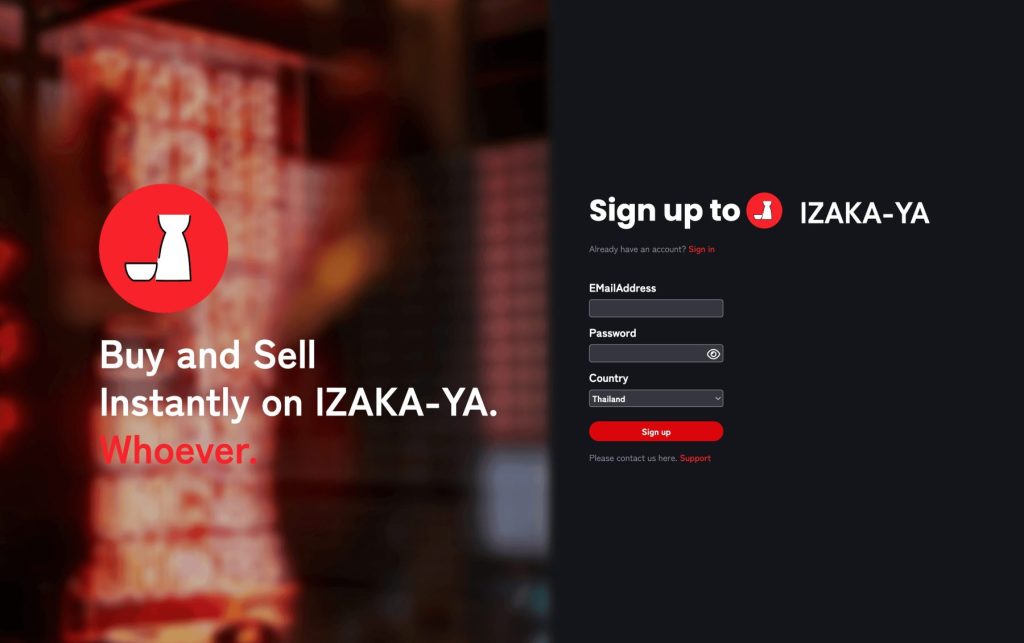
IZAKA-YA is designed for users who want a more streamlined way to interact with crypto without constantly navigating multiple wallets, exchanges, and DeFi platforms. Instead of simply storing assets, the platform focuses on making crypto more practical and accessible within a single ecosystem. Users can manage assets, explore yield opportunities, and interact with crypto services more efficiently without dealing with overly technical workflows.
One of IZAKA-YA’s strongest advantages is usability. The platform is built to feel approachable even for users who are still unfamiliar with DeFi terminology, wallet management, or more advanced Web3 systems. That simpler experience can help reduce common beginner mistakes while making day-to-day crypto activity feel less intimidating.
Frequently Asked Questions
Phantom Wallet is used to store, send, receive, swap, and stake cryptocurrencies. It is especially popular within the Solana ecosystem.
No. Although Phantom started as a Solana wallet, it now supports Ethereum, Polygon, and Bitcoin.
Yes. Phantom includes built-in NFT support and displays NFTs visually inside the wallet.
Phantom is generally considered beginner-friendly and includes several security features. However, users still need to protect their recovery phrase carefully.
Yes. The Phantom Wallet app is available for both iOS and Android devices.
Not directly. Users usually send crypto from Phantom to a centralized exchange first before converting it into fiat currency and withdrawing to a bank account.