
Crypto ownership starts with one important tool: the blockchain wallet. Whether you are holding Bitcoin long term, swapping altcoins, or exploring Web3 applications, understanding how a blockchain wallet works is essential.
Many beginners buy crypto on an exchange without realizing they may not fully control their assets. This guide breaks everything down in simple language so you can confidently choose the right wallet for your needs.
What is a Blockchain Wallet?
A blockchain wallet is a digital program that allows users to store, manage, and interact with their cryptocurrencies. It securely stores the private and public keys needed to access your assets on the blockchain network.
You might have heard the word “crypto wallet” and you might be wondering what’s the difference between “blockchain wallet” and “crypto wallet”. Generally, these two wallets usually mean the same thing: a tool that stores the keys you use to access and manage cryptocurrency on a blockchain. The main difference is mostly wording; “crypto wallet” is the broader, more common term, while “blockchain wallet” is sometimes used to refer to a wallet tied to a specific blockchain platform or service.
For beginners, the easiest way to think about a blockchain wallet is as a gateway to the crypto ecosystem. Similar to how a banking app helps users manage traditional money, a crypto wallet helps users interact with blockchain networks. However, blockchain wallets come with additional responsibilities because users are often in charge of securing their own assets.
When people search for “what is a blockchain wallet”, they are usually looking for a safe way to interact with decentralized networks. Whether you are holding digital assets for the long term or exploring decentralized finance, having a reliable crypto wallet is the absolute foundation of your journey.
How Does a Blockchain Wallet Work?
Understanding how a blockchain wallet works can feel intimidating at first, but the core idea is actually straightforward. Every wallet contains two important elements: a public key and a private key.
The public key generates your blockchain wallet address, which works similarly to an email address. You can safely share this address with other people when receiving cryptocurrency. For example, if someone wants to send you Bitcoin, they only need your wallet address.
The private key, on the other hand, is what proves ownership of the assets connected to that wallet. This key must remain secret at all times. If another person gains access to your private key or recovery phrase, they can control your funds completely. This is one of the main reasons why wallet security is heavily emphasized in the crypto industry.
Whenever users send crypto, the wallet creates a digital signature using the private key. The blockchain network then verifies the transaction before recording it permanently on-chain. While this process happens behind the scenes within seconds, it is the foundation of how decentralized ownership works.
How Do You Create a Blockchain Wallet?
Creating a blockchain wallet is one of the first steps to entering the crypto world. Whether you want to store Bitcoin, explore Web3 applications, or manage altcoins, a blockchain wallet gives you access to your digital assets and allows you to interact with blockchain networks directly.
Here is a step-by-step guide to creating a blockchain wallet safely and properly.
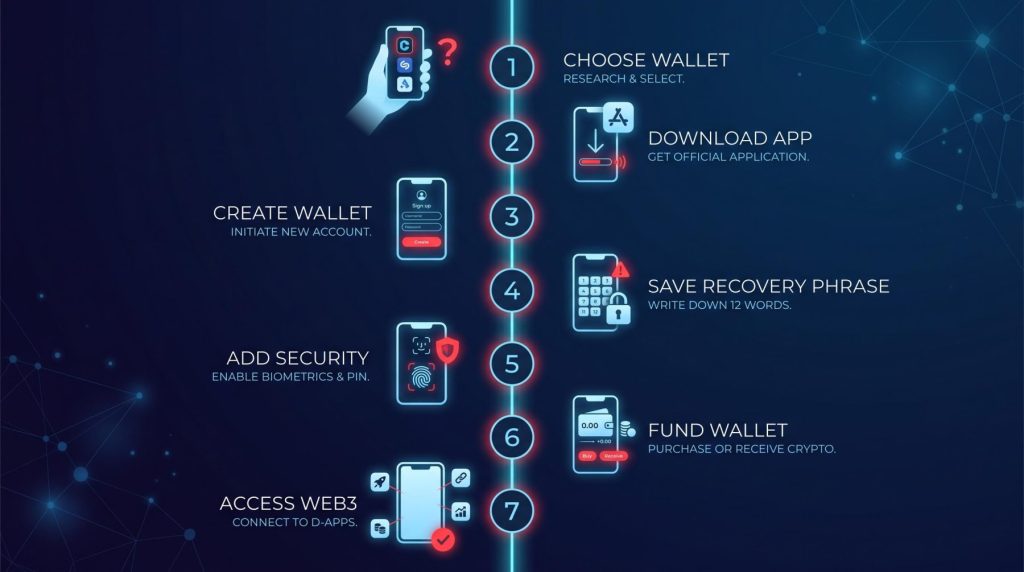
Step 1: Choose the Right Type of Wallet
Before creating a wallet, decide what kind of experience you want. Different wallets are designed for different users.
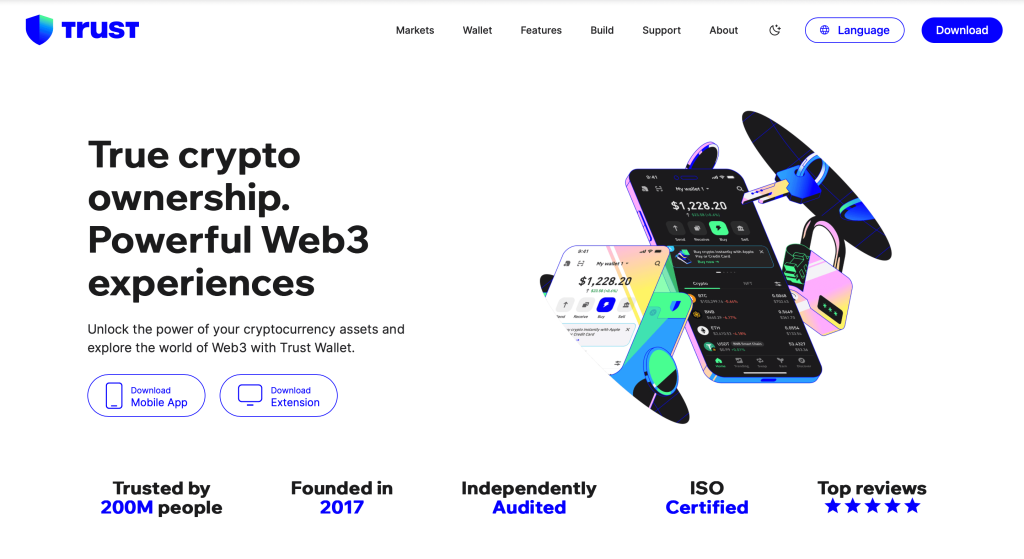
For beginners who want convenience and quick access, mobile wallets like Trust Wallet are popular because they are easy to set up and support multiple cryptocurrencies.
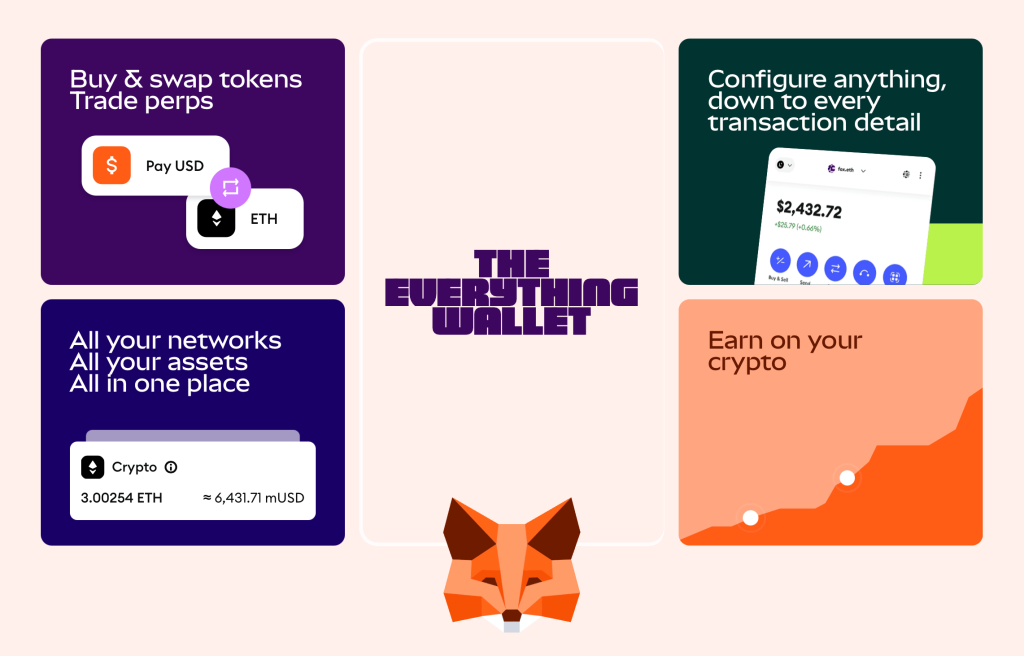
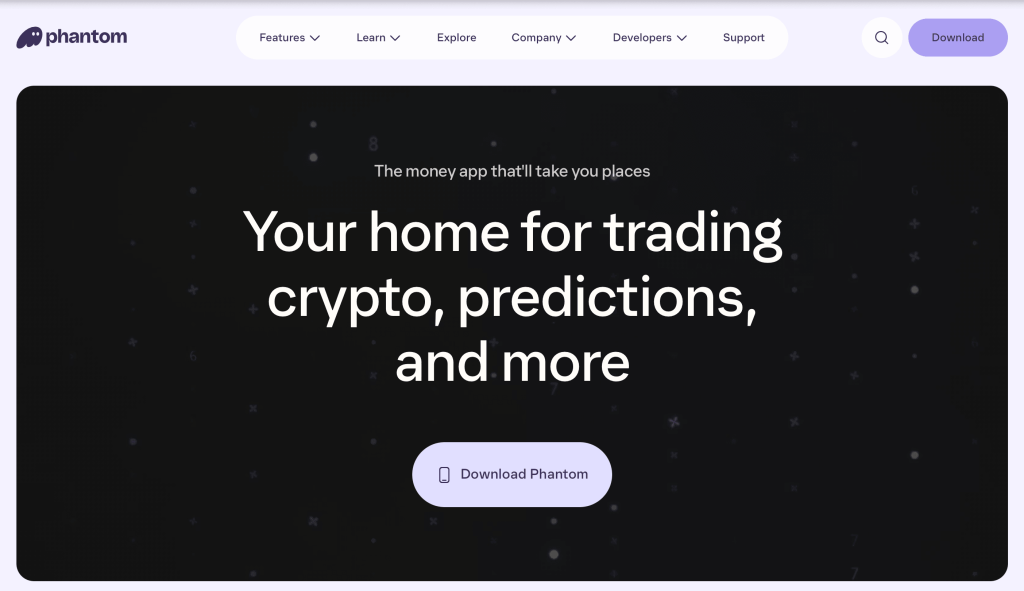
Users interested in DeFi, NFTs, or Web3 applications often prefer MetaMask wallet or Phantom wallet since these wallets connect directly to decentralized applications.
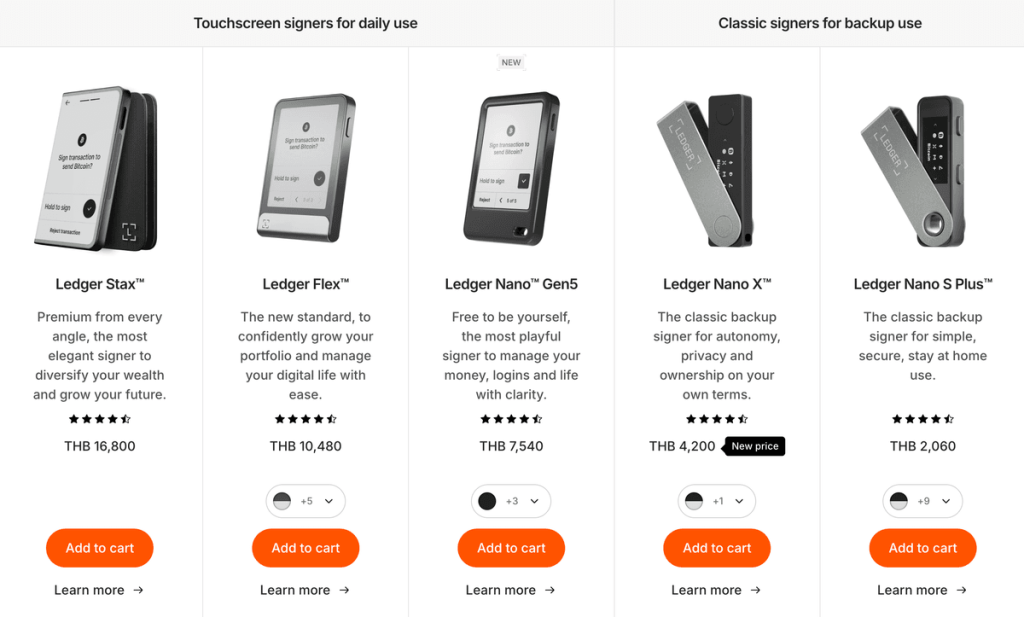
Meanwhile, long-term holders usually prioritize security and choose hardware wallets such as Ledger wallet . Its device store private keys offline, reducing the risk of online attacks.
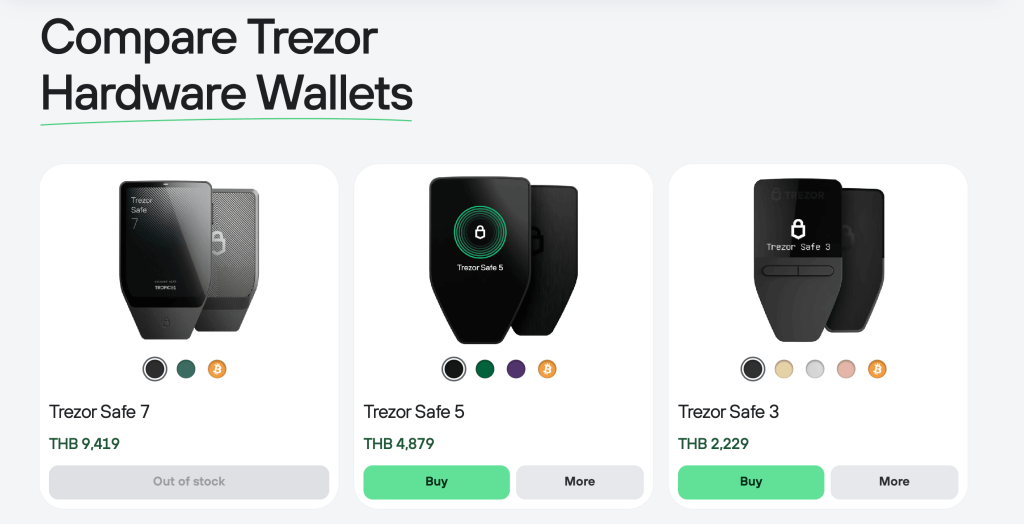
Trezor is another highly trusted wallet known for its strong security reputation and open-source approach. Many crypto users choose Trezor because of its transparency and credibility within the crypto industry. It is particularly well suited for users holding larger portfolios or storing crypto long-term
There are also crypto lending platforms like IZAKA-YA that simplify the onboarding process by managing wallet infrastructure on behalf of users. This can feel less intimidating for people who are new to crypto and not yet comfortable managing private keys themselves.
Step 2: Download the Wallet Safely
After choosing a wallet, download it only from official sources. Fake wallet apps and phishing websites are extremely common in crypto, especially for popular wallets like MetaMask wallet and Phantom wallet.
Always verify:
- The official website URL
- App store reviews and download counts
- Browser extension publishers
This step is often overlooked by beginners, but it is one of the most important parts of protecting your assets from scams.
Step 3: Create Your Wallet
Once the app is installed, select the option to create a new wallet. The wallet will automatically generate: A blockchain wallet address, a private key, and a recovery phrase, also called a seed phrase
Your wallet address is public and can be shared to receive crypto. The private key and recovery phrase are private credentials that give full control over your assets.
Most non-custodial wallets do not require personal information or identity verification during setup. Instead of creating an account tied to your identity, blockchain wallets rely on cryptographic ownership.
Step 4: Back Up Your Recovery Phrase
This is the most important step during wallet creation.
The recovery phrase usually consists of 12 or 24 random words. It acts as the master backup to your wallet. If you lose your phone or computer, this phrase allows you to restore access to your assets.
At the same time, anyone with access to the phrase can control your wallet completely.
For better security:
- Write the phrase down offline
- Store it somewhere safe
- Avoid screenshots or cloud storage
- Never share it with anyone
Many crypto losses happen because users either lose their recovery phrase or accidentally expose it online.
Step 5: Add Security Features
Most wallets will ask you to create additional security measures such as: Passwords, PIN codes or biometric login
These features protect the wallet on your device and add another layer of security against unauthorized access.
Hardware wallets like Ledger wallet and Trezor wallet go even further by requiring physical confirmation for transactions, making them popular for users holding larger amounts of crypto.
Step 6: Fund Your Wallet
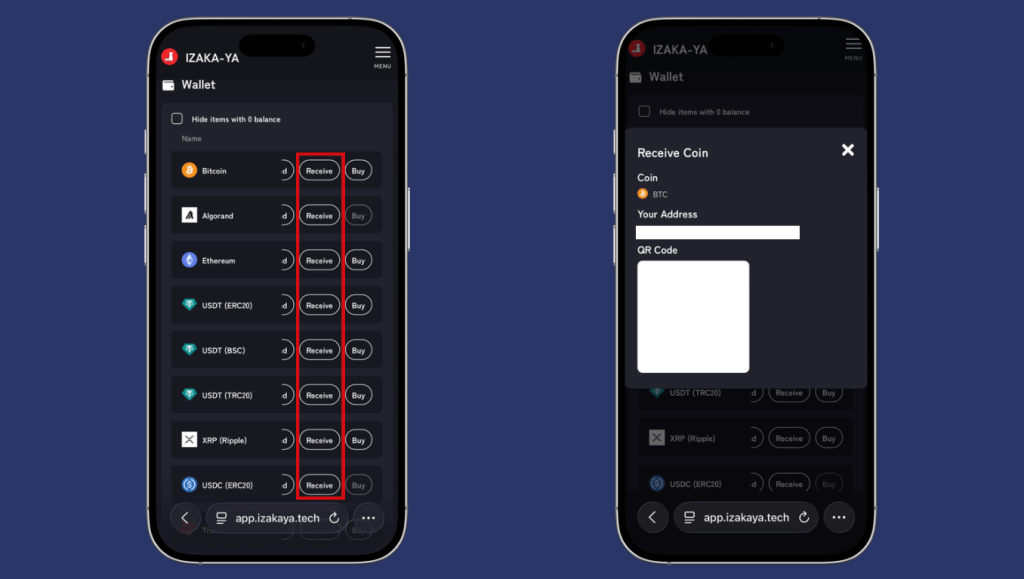
Once your wallet is active, you can transfer crypto into it using your blockchain wallet address.
This can be done by:
- Sending funds from an exchange
- Receiving crypto from another wallet
- Buying crypto directly through integrated payment systems
One important thing beginners should understand is blockchain compatibility. Sending assets to the wrong network can result in permanent loss, so many users start by testing with a small transaction first.
Step 7: Start Using Web3 Features
After funding your wallet, you can begin exploring the broader blockchain ecosystem.
Modern crypto wallets allow users to:
- Swap tokens
- Stake assets
- Connect to DeFi platforms
- Buy NFTs
- Use blockchain games
For experienced users, wallets like MetaMask wallet provide flexibility and access to decentralized applications. For beginners, platforms like IZAKA-YA focus more on simplicity by allowing users to manage, lend, and swap assets within a single ecosystem without navigating multiple external platforms.
This makes the onboarding experience much smoother for people who already own crypto but are unsure how to actually use it.
Finding the Best Blockchain Wallet
With thousands of options available, selecting the right one depends entirely on your crypto habits.
The best blockchain wallet for a daily trader might be a web3 wallet that easily connects to decentralized exchanges. On the other hand, a long-term investor might prefer the unmatched security of a hardware device. Before committing to one option, consider factors like supported cryptocurrencies, user interface, and security features. Many experienced users even choose to use multiple wallets to balance convenience and safety.
Why IZAKAK-YA is the Perfect Starting Point for Beginners
Sometimes, the most important feature of a wallet is sheer simplicity.
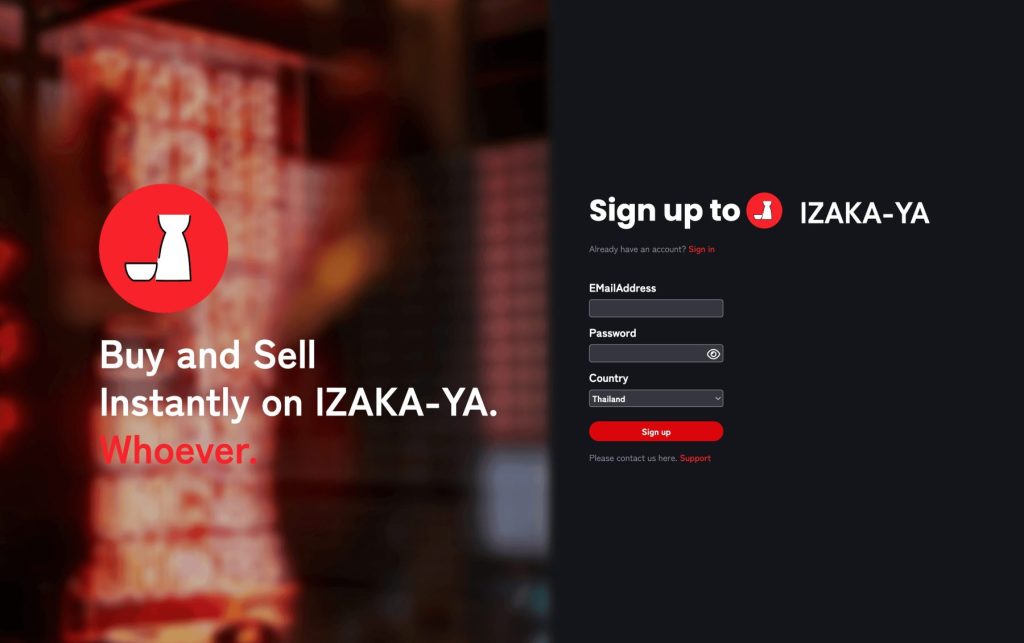
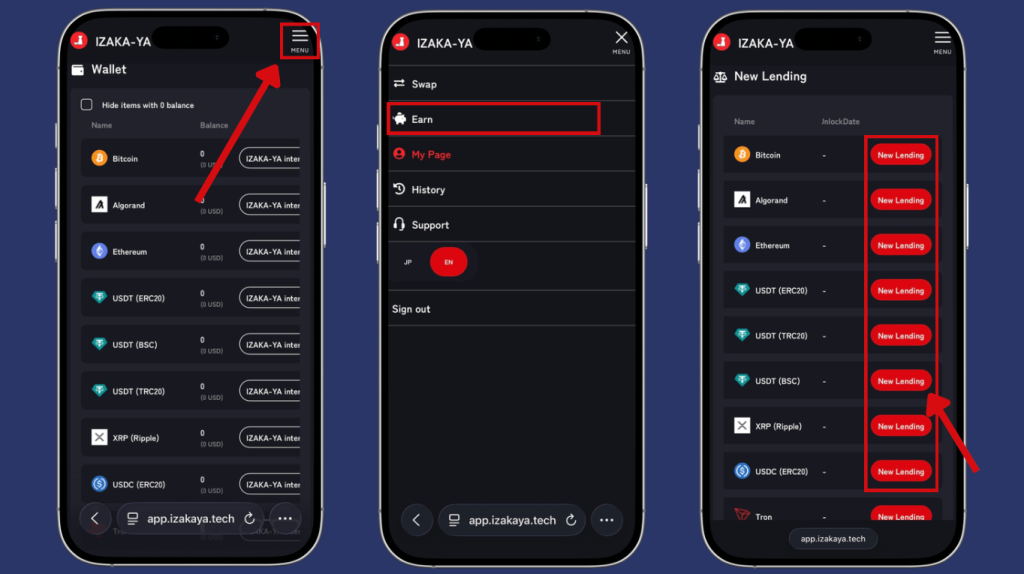
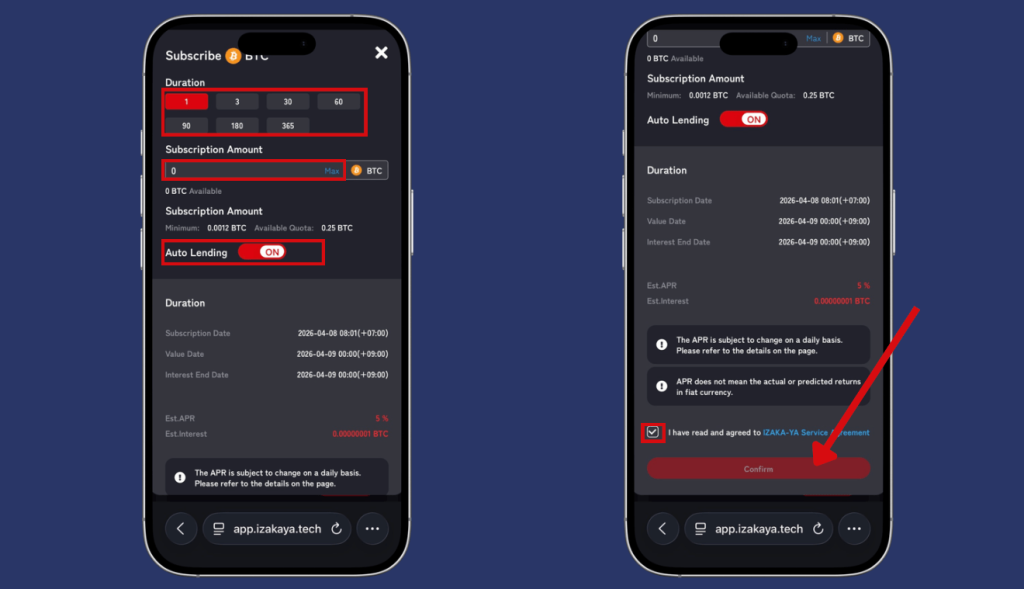
IZAKAK-YA is well suited for beginners who want to get started with crypto without having to learn complex systems.One of its key strengths is that it does more than just store assets. It is designed to allow users to immediately make use of their holdings within a single platform. For example, users can lend their assets to earn returns or swap tokens directly, without needing to transfer funds to another exchange. This significantly reduces the number of steps required, especially for new users.
In terms of user experience, IZAKAK-YA is designed to be intuitive and ready to use with minimal setup. It is particularly suitable for those who are not yet familiar with DeFi terminology or systems and prefer to start with something more accessible.
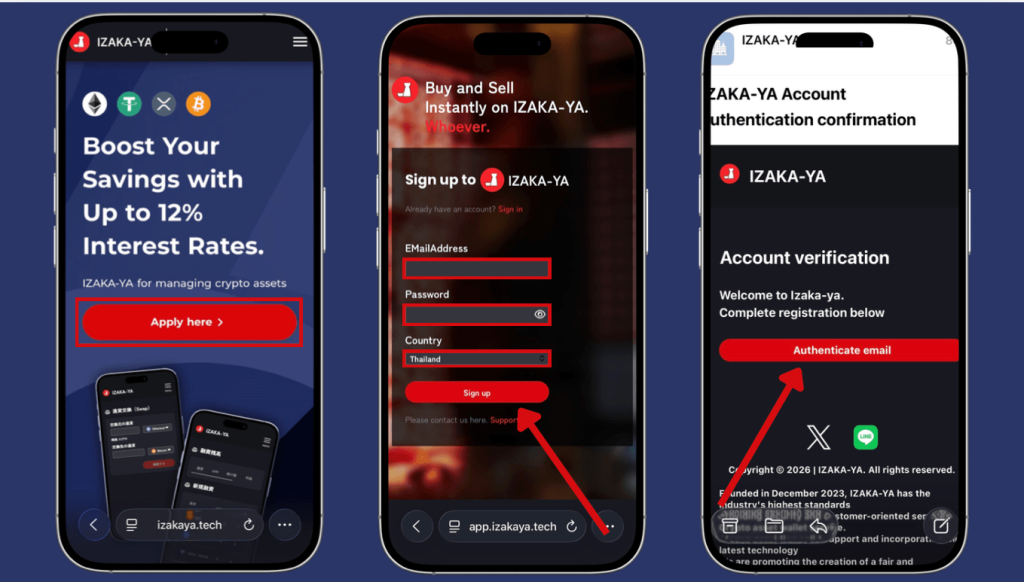
Easy Steps to Start IZAKA-YA Lending
- Step 1: Register for IZAKA-YA
- Step 2: Deposit funds into IZAKA-YA.
- Step 3: IZAKA-YA Lending Guide (Part 1).
- Step 4: IZAKA-YA Lending Guide (Part 2).
Frequently Asked Questions (FAQ)
A blockchain wallet is a digital application or device that allows users to manage cryptocurrency assets using private and public keys.
A blockchain wallet address is a public string of characters used to receive cryptocurrency transactions.
A Bitcoin wallet specifically manages Bitcoin, while a general crypto wallet usually supports multiple different cryptocurrencies.
Addresses do not contain personal information. However, if your address is ever linked to your real identity through a centralized exchange, your entire transaction history becomes visible.
Yes, most popular Web3 options have dedicated mobile applications that include a built-in browser for safely interacting with decentralized apps.