


What Is a Web3 Wallet?
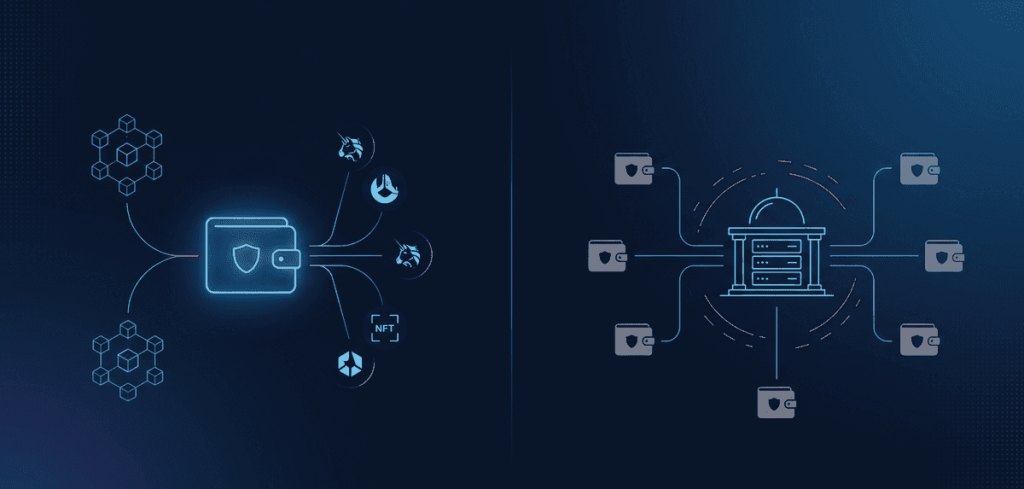
A Web3 wallet is a crypto wallet that allows you to store digital assets like Bitcoin and connect directly to blockchain applications.
Unlike a normal exchange account, a Web3 wallet gives you control over your own private keys. In simple terms, that means you actually own and manage your assets yourself instead of leaving them in the hands of an exchange.
That’s why people often describe Web3 wallets as “self-custody” wallets.
A typical Web3 crypto wallet can be used to:
- Store cryptocurrencies
- Hold NFTs
- Connect to DeFi apps
- Swap tokens
- Stake assets
- Use blockchain games
- Access decentralized apps (dApps)
If you plan to explore anything beyond basic crypto investing, having a Web3 decentralized wallet becomes almost essential.
Web3 Wallet vs Exchange Wallet
This is where many beginners get confused.
A Binance or Coinbase account can hold crypto, so technically it feels like a wallet already. But there’s a major difference happening behind the scenes.
With exchange wallets, the platform controls the private keys. With Web3 wallets, you control them yourself.
| Feature | Web3 Wallet | Exchange Wallet |
| Private keys | Controlled by you | Controlled by exchange |
| Access to dApps | Full access | Usually limited |
| Ownership | Self-custody | Custodial |
| Flexibility | High | Moderate |
| Responsibility | User-managed | Platform-managed |
This is also where the phrase “Not your keys, not your coins” comes from.
Of course, self-custody gives you more freedom, but it also means you need to take security seriously.
Types of Web3 Wallets

Once people understand the difference between Web3 wallets and exchange wallets, the next thing they usually discover is that there isn’t just one type of wallet.
Most Web3 wallets fall into two main categories: hot wallets and cold wallets.
The difference between them mainly comes down to convenience versus security.
Hot Wallets
Hot wallets stay connected to the internet and are usually available through mobile apps or browser extensions.
They’re popular because they’re fast, convenient, and easy to use — especially for people actively using DeFi, NFTs, or decentralized apps.
Popular examples include:
- Izaka-Ya
- Trust Wallet
- MetaMask
- Coinbase Wallet
- Binance Web3 Wallet
Why people like them
- Easy to set up
- Quick access to dApps
- Great for DeFi and NFTs
- Beginner-friendly experience
Downsides
- More exposed to phishing attacks
- Requires stronger personal security habits
Cold Wallets
A Web3 cold wallet stores private keys offline, which makes it significantly safer for long-term storage.
These wallets are often preferred by people holding larger amounts of crypto or planning to store assets for years.
Popular examples:
- Tangem
- Ledger
- Trezor
Why people use them
- Better long-term protection
- Reduced online attack risk
- Stronger asset security
Trade-offs
- Slightly less convenient
- Extra steps when making transactions
Best Web3 Wallet and Web3-Compatible Wallet Options in 2026
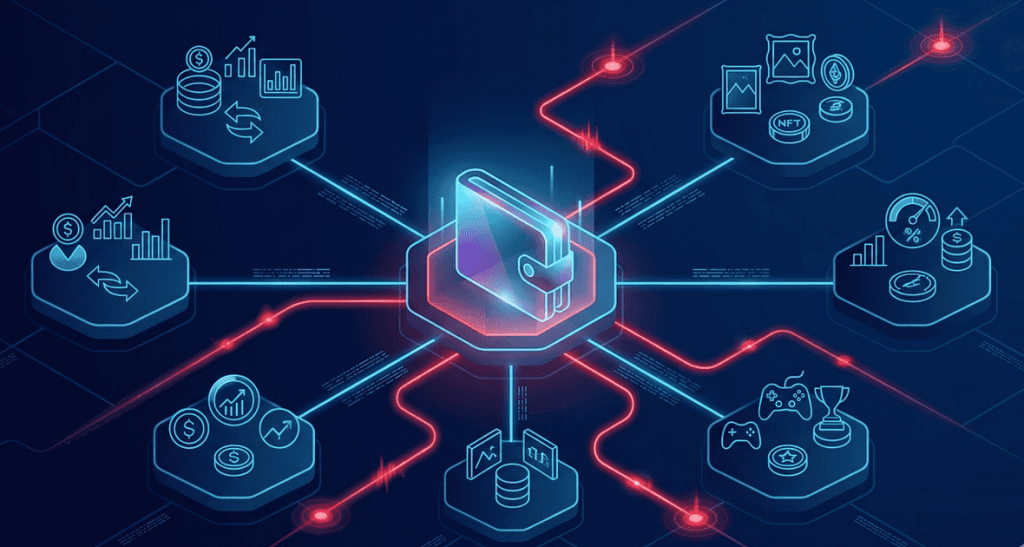
There’s no single wallet that works perfectly for everyone. Some users prioritize convenience, while others care more about security or DeFi compatibility.
Still, a few names consistently stand out in the current market.
| Wallet | Best For | Main Strength |
| Izaka-Ya | Everyday Web3 users | Clean experience with strong Web3 integration |
| Trust Wallet | Beginners | Easy mobile interface |
| Binance Web3 Wallet | Binance users | Smooth ecosystem integration |
| MetaMask | DeFi users | Ethereum compatibility |
| Coinbase Wallet | New crypto users | Beginner-friendly design |
| Tangem | Long-term holders | NFC-based cold storage |
| Ledger | Security-focused users | Advanced protection |
Choosing a wallet isn’t only about security or features anymore. The overall experience matters too — especially for beginners entering Web3 for the first time.
Some wallets are designed specifically for interacting with decentralized apps and DeFi platforms, while others focus more heavily on long-term security and offline storage. Here’s a closer look at popular options right now.
Izaka-Ya
Izaka-Ya focuses heavily on making the Web3 experience feel cleaner and less intimidating for everyday users.
A lot of crypto wallets still feel overly technical, especially for beginners. Izaka-Ya takes a more modern approach with a smoother interface and easier navigation while still supporting core Web3 functionality.
It’s especially suitable for users who:
- Want a simpler Web3 experience
- Explore DeFi casually
- Prefer cleaner wallet interfaces
- Need multi-chain functionality without complexity
For newer users entering decentralized finance for the first time, that accessibility can make a huge difference.
Register IZAKA-YAkeyboard_arrow_right
Trust Wallet

Trust Wallet remains one of the most widely used Web3 wallets globally because it balances simplicity with flexibility.
The app supports multiple blockchains and makes it relatively easy to interact with dApps, NFTs, staking features, and token swaps without needing advanced technical knowledge.
Why many beginners like it:
- Easy mobile experience
- Supports many chains and tokens
- Beginner-friendly interface
- Smooth access to DeFi features
For many users, Trust Wallet becomes their first real introduction to Web3.
Binance Web3 Wallet
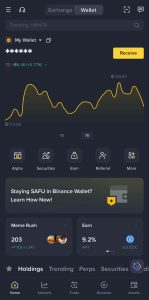
Binance Web3 Wallet is designed for users who already spend most of their time inside the Binance ecosystem.
Its biggest advantage is convenience. Instead of requiring users to jump between multiple apps and extensions, Binance integrates Web3 functionality directly into its platform.
Users can:
- Access DeFi services
- Swap tokens
- Connect to dApps
- Manage assets across chains
All while staying within the Binance environment.
That smoother transition makes it especially appealing for mainstream crypto users exploring Web3 for the first time.
MetaMask

MetaMask is still considered one of the most important wallets in the Ethereum and DeFi ecosystem.
In particular, it’s highly popular among experienced users because of its flexibility and broad compatibility with decentralized applications.
That said, MetaMask can still feel slightly overwhelming for complete beginners at first, especially when compared to more beginner-friendly wallets.
Its strengths include:
- Strong Ethereum ecosystem support
- Wide dApp compatibility
- Browser extension convenience
- Advanced customization options
However, for active DeFi users, MetaMask continues to be one of the most trusted and widely used tools available.
Coinbase Wallet
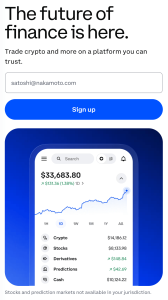
Coinbase Wallet is often recommended to beginners who want a more familiar and polished experience.
Compared to many traditional crypto wallets, the interface feels simpler and easier to navigate, which lowers the learning curve significantly.
Unlike a standard Coinbase exchange account, Coinbase Wallet is self-custodial, meaning users control their own private keys.
It’s a good fit for people who:
- Are newer to crypto
- Want a cleaner wallet experience
- Prefer mobile-first usability
- Need a balance between simplicity and Web3 functionality
Tangem
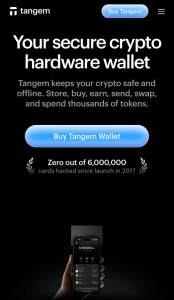
Tangem is a cold wallet that also supports Web3 functionality.
Instead of relying on traditional hardware wallet designs, Tangem uses NFC-enabled cards that interact directly with smartphones, creating a simpler self-custody experience.
That approach has made it increasingly popular among users who want stronger security without dealing with overly technical setups.
Tangem is especially attractive for:
- Long-term holders
- Security-focused users
- Beginners looking for simple cold storage
- Mobile-first users
It combines offline protection with a relatively smooth user experience.
Ledger

Ledger is one of the most recognized hardware wallet brands in crypto and is widely used for long-term asset protection.
While Ledger itself is primarily a cold wallet, it also supports Web3 connectivity through Ledger Live and third-party decentralized applications.
Why experienced users choose Ledger:
- Strong security reputation
- Offline private key storage
- Support for many assets
- Trusted by long-term investors
The setup process can feel more technical compared to hot wallets, but for many users, the added security is worth it.
How to Choose a Safe Web3 Wallet?
The best wallet usually depends on how you actually use crypto.
If you’re completely new
Look for:
- Simple setup
- Clean interface
- Easy backup process
Good starting options:
- Izaka-Ya
- Trust Wallet
- Coinbase Wallet
If you actively use DeFi
You’ll probably want:
- Fast dApp connectivity
- Browser extension support
- Multi-chain compatibility
Strong options include:
- MetaMask
- Rabby Wallet
- Izaka-Ya
If you mainly hold long-term
Security becomes the main priority.
Better choices:
- Tangem
- Ledger
- Trezor
The Most Important Part of Any Web3 Wallet: Your Seed Phrase
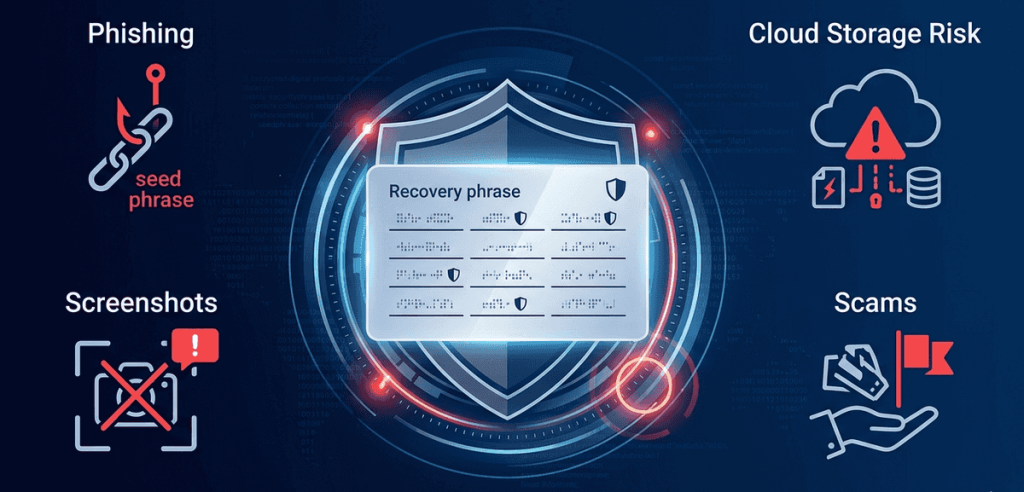
No matter which wallet you choose, your seed phrase is everything.
After all, if someone gains access to it, they can access your wallet as well.
On the other hand, if you lose it completely, there’s usually no customer support team that can recover your assets for you.
That’s why experienced crypto users typically recommend:
- Writing it down offline
- Never storing it in screenshots
- Avoiding cloud storage
- Never sharing it with anyone
Ultimately, self-custody gives you full ownership, but it also comes with greater responsibility.
In many ways, that trade-off is a core part of how Web3 works.
Final Thoughts
A Web3 wallet is no longer something used only by advanced crypto users.
As DeFi, NFTs, blockchain gaming, and decentralized applications continue growing, Web3 wallets are slowly becoming part of the broader digital economy.
For beginners, the most important thing isn’t finding the “perfect” wallet immediately. It’s understanding the basics, building good security habits early, and choosing a wallet that feels comfortable enough to use consistently.
For some people, that might be Trust Wallet or Binance Web3 Wallet. Others may prefer the cleaner experience offered by Izaka-Ya or the stronger offline protection of Tangem and Ledger.
The best wallet is usually the one that fits both your experience level and the way you actually use crypto.
FAQs
A Web3 wallet is a crypto wallet that allows users to store assets, control private keys, and connect directly to decentralized apps and blockchain networks.
Yes, Trust Wallet is a Web3 wallet that supports dApps, NFTs, staking, and multiple blockchain ecosystems.
Many beginners prefer wallets like Izaka-Ya, Trust Wallet, or Coinbase Wallet because they generally offer simpler and more user-friendly experiences
A Web3 cold wallet stores private keys offline for better security. Popular examples include Tangem, Ledger, and Trezor.
Yes, Tangem is considered a Web3 cold wallet that combines offline storage with a more convenient NFC-based setup.


