



Every day, thousands of digital art pieces, virtual real estate tracts, and gaming items change hands in the web3 space. If you are stepping into this world, your very first tool needs to be a secure digital vault.
Navigating the decentralized space can feel overwhelming, but securing your digital collectibles does not have to be complicated. To safely buy, sell, or display digital art, you need a dedicated NFT wallet. This digital tool acts as your personal gateway to blockchain networks, holding the cryptographic keys that prove ownership of your unique digital assets.
What is an NFT Wallet and Why Do You Need One?
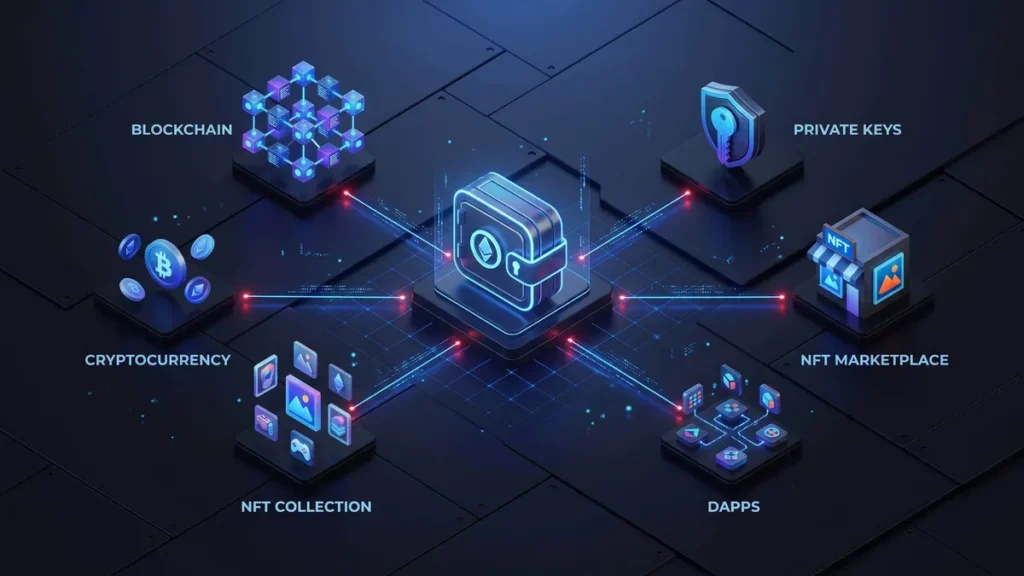
Many beginners assume that these applications store digital images directly on their phones or computers. In reality, your assets live permanently on the blockchain. Your wallet simply holds the private keys that grant access to those assets.
Without a reliable interface, you cannot connect to marketplaces like OpenSea, authorize transactions, or view your collection. It acts as both your identity card and your bank account in the web3 ecosystem, making your choice of provider incredibly important for asset safety.
Basically, most NFT wallets allow users to:
- Store NFTs securely
- View NFT collections
- Send and receive NFTs
- Connect to NFT marketplaces
- Access decentralized applications (dApps)
- Manage cryptocurrencies alongside NFTs
Expanding Horizons: The Rise of the Bitcoin NFT Wallet
While Ethereum dominated the early digital art movement, the introduction of Ordinals changed the landscape completely by bringing digital collectibles directly to the oldest blockchain network. This innovation created a massive demand for a specialized Bitcoin NFT wallet.
Managing assets on the Bitcoin network requires unique address types that prevent you from accidentally spending your collectibles as regular transaction fees. Modern options like Xverse and Leather have emerged specifically to solve this problem, letting users view, store, and trade Bitcoin-based collectibles just as easily as their Ethereum counterparts.
How Does an NFT Wallet Work?
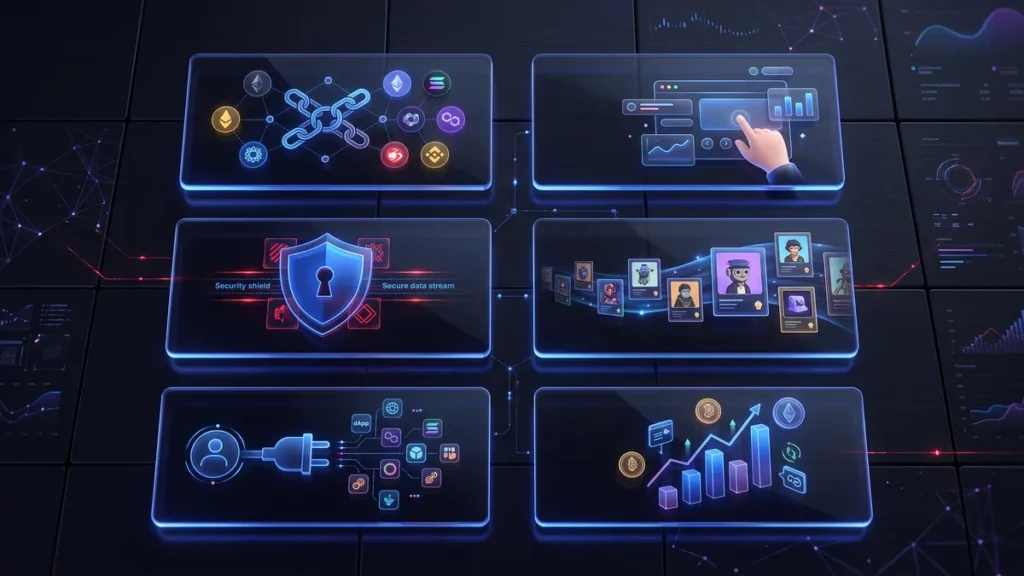
At first glance, NFTs may appear to be stored directly inside the wallet. In reality, the NFT remains recorded on the blockchain.
The wallet serves as a tool that proves ownership and provides access to those assets.
Here’s a simplified process:
- The NFT is minted on a blockchain.
- Ownership is linked to your wallet address.
- Your wallet uses private keys to verify ownership.
- The wallet displays NFTs associated with your address.
- You can transfer, sell, or interact with the NFT whenever needed.
This structure allows users to maintain ownership without relying on centralized services.
Key Features to Look For in the Best NFT Wallet
Not all digital storage solutions are created equal, and choosing the wrong one can lead to poor user experiences or security vulnerabilities. When searching for the best NFT wallet, look for a balance between user experience and robust security.
- Cross-Chain Compatibility: Most digital art exists on Ethereum, but networks like Solana and Polygon are growing fast. A good setup supports multiple blockchains.
- User-Friendly Interface: If you are a beginner, you want a clean dashboard that clearly separates your standard cryptocurrency tokens from your visual collectibles.
- Strong Security Features: Look for options that offer two-factor authentication, biometric logins, and clear transaction prompts so you know exactly what you are signing.
Hot vs. Cold: Choosing the Right NFT Wallet Type
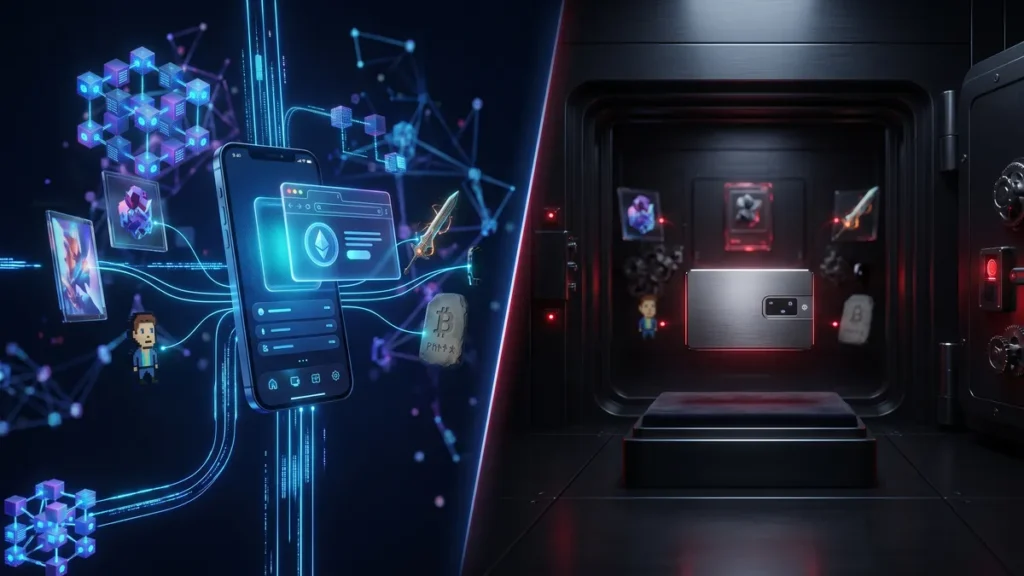
Hot Wallets: Best for Everyday Activity
This type of wallet remains constantly connected to the internet. Hot wallets are available as browser extensions or mobile applications, they act as your immediate bridge to web3 marketplaces.
✅ The Good:
- Instant setup
- Lightning-fast transaction speeds
- Seamless, one-click integration with platforms like OpenSea or Blur.
❌ The Catch:
- Higher vulnerability to online threats
- Malicious smart contracts
- Phishing scams.
Cold Wallets: Best for Long-Term Security
Cold wallets keep your private keys entirely offline on physical hardware devices. They require you to physically press buttons on the device to authorize any transaction.
✅ The Good:
- Industry-leading security
- Significantly reduces the risk of hacking, malware, and phishing attacks.
- Ideal for storing high-value NFTs and cryptocurrencies over the long term.
❌ The Catch:
- Less convenient for high-frequency trading,
- An upfront hardware cost
- Careful physical device management.
💡Pro Tip (The Hybrid Approach): You do not have to choose just one. Many collectors connect their offline hardware device to a software interface like MetaMask. This gives you the best of both worlds: ironclad offline security with a smooth, interactive trading experience.
Top Contenders: Finding the Best NFT Wallet App
For everyday trading, minting, and connecting to decentralized applications, a mobile or browser extension is the most convenient choice. Finding the right NFT wallet app depends heavily on which blockchain you use most frequently.
Wallet
Platform Type
Best For
Key Advantages
MetaMask
Hot Wallet (Browser Extension & Mobile App)
Ethereum NFTs
Marketplace integration, dApp connectivity, widespread adoption
Trust Wallet
Hot Wallet (Mobile App)
Multi-asset holders
Supports many cryptocurrencies and NFTs in one app
Coinbase Wallet
Hot Wallet (Mobile App & Browser Extension)
Beginners
User-friendly setup and intuitive interface
Ledger
Cold Wallet (Hardware Wallet)
Secure storage
Offline private key protection and hardware security
Xverse
Hot Wallet (Mobile App & Browser Extension)
Bitcoin NFTs
Native Ordinals support and Bitcoin ecosystem compatibility
MetaMask
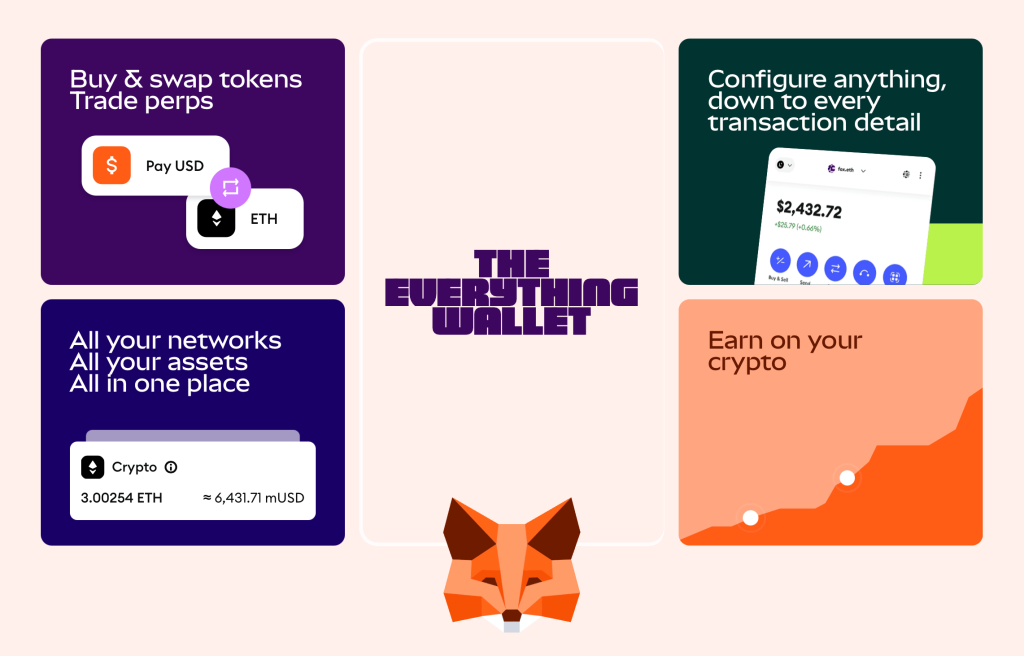
MetaMask remains one of the most widely used NFT wallets in the market. It offers strong Ethereum ecosystem support and seamless integration with NFT marketplaces.
Trust Wallet
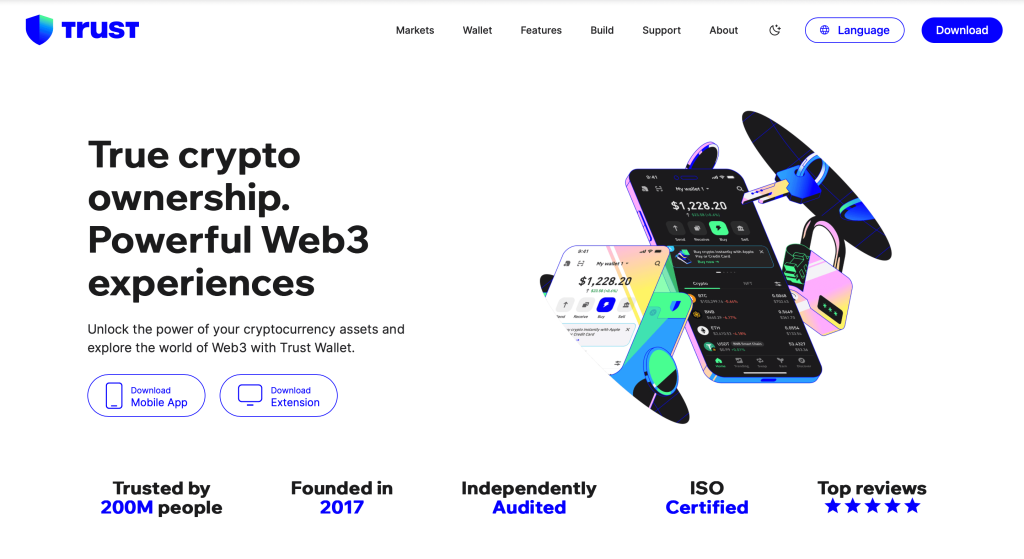
Trust Wallet combines NFT storage with broad cryptocurrency support, making it suitable for users managing multiple assets.
Coinbase Wallet
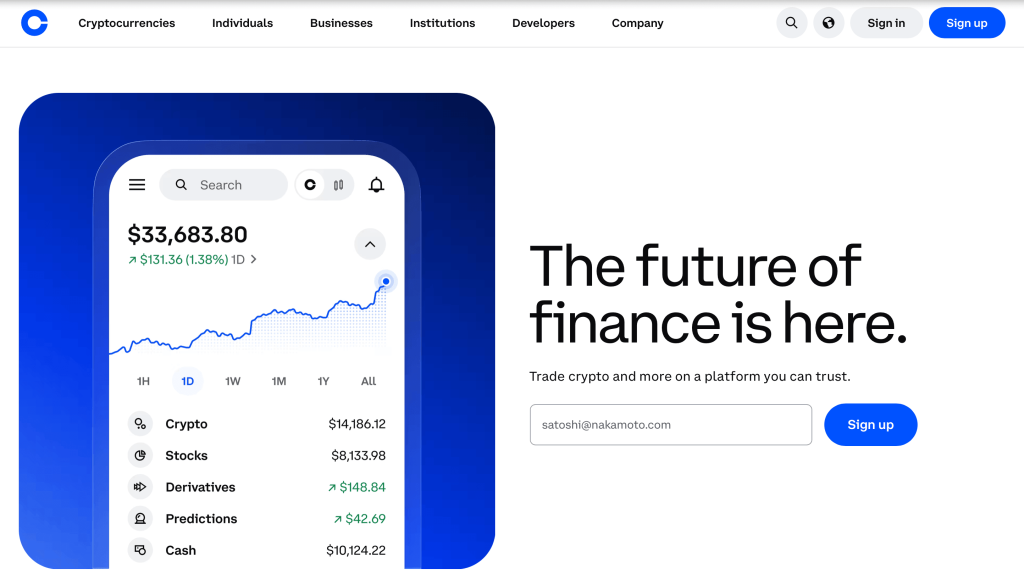
For beginners entering Web3, Coinbase Wallet provides a clean interface and simple onboarding process.
Ledger

Ledger is often regarded as the best NFT cold wallet because private keys remain offline. Serious collectors frequently pair Ledger with MetaMask for additional security.
Xverse
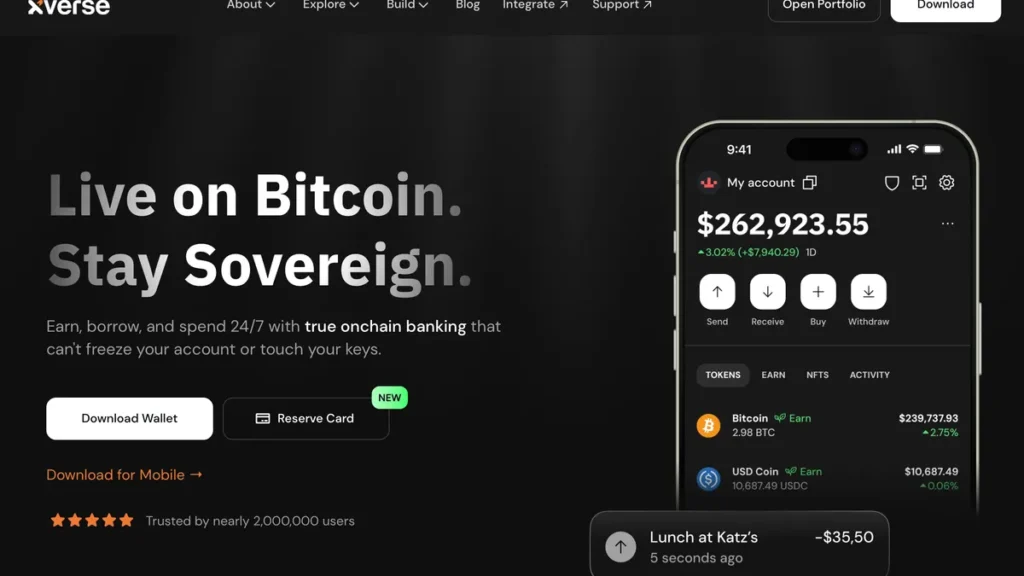
As Bitcoin Ordinals gain popularity, Xverse has emerged as a leading Bitcoin NFT wallet. It enables users to store and manage Bitcoin-based NFTs while maintaining compatibility with the broader Bitcoin ecosystem.
Beyond Storage: Put Your Crypto Assets to Work
Securing your digital art collection is just the first step in maximizing your digital footprint. If you have idle crypto assets sitting quietly alongside your collectibles, simply letting them sit there means missing out on potential growth.
While keeping your collectibles safe in cold storage, you can optimize your liquid crypto tokens to earn passive rewards.
For users looking to generate consistent returns on their standard tokens, the IZAKA-YA Crypto lending wallet provides a seamless way to earn competitive yields on your holdings through secure, decentralized lending protocols. Instead of letting your assets sit idle, you can put your capital to work safely while you hunt for your next favorite digital art piece.
Start lending on IZAKA-YAkeyboard_arrow_right
Conclusion
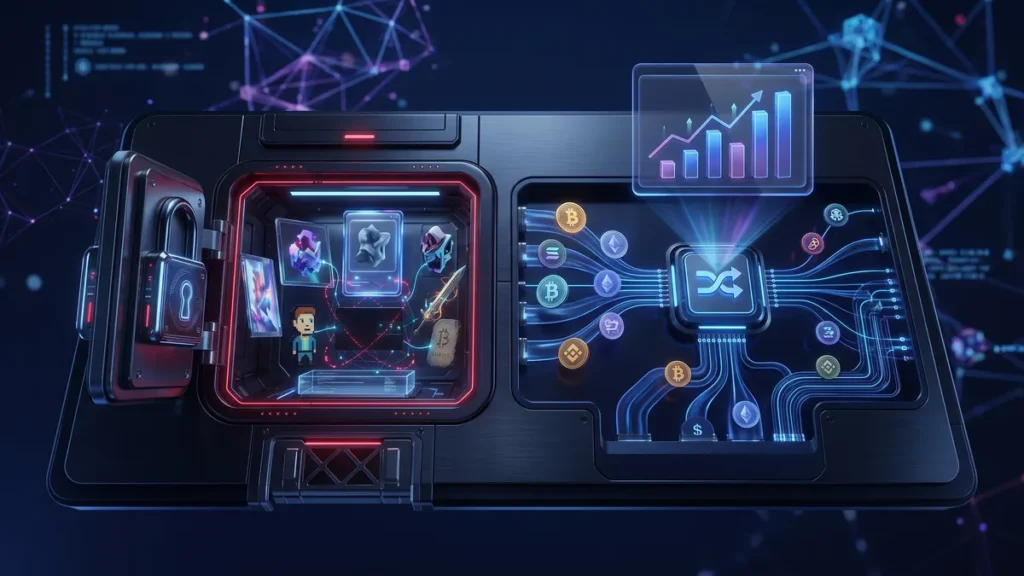
An NFT wallet serves as the foundation of your Web3 experience. Whether you’re collecting digital art, trading gaming assets, exploring Bitcoin NFTs, or participating in decentralized applications, the right wallet helps protect your assets while simplifying access to blockchain ecosystems.
For most users, the best NFT wallet depends on their goals. Active traders often prioritize convenience, while long-term holders may focus on security through hardware wallets. Understanding the differences between available options allows you to make informed decisions and reduce unnecessary risks.
As NFTs continue evolving, wallets will remain one of the most important tools for navigating the digital asset economy.
Frequently Asked Questions (FAQ)
An NFT wallet is a cryptocurrency wallet that supports storing, managing, sending, and receiving NFTs while providing ownership through blockchain-based private keys.
Coinbase Wallet and Trust Wallet are commonly recommended for beginners because they offer simple interfaces and straightforward setup processes.
If you collect Bitcoin Ordinals or Bitcoin-based NFTs, you should use a wallet that specifically supports the Bitcoin NFT ecosystem, such as Xverse or Unisat.
Yes. Most modern NFT wallets support both cryptocurrencies and NFTs within a single interface.
Yes, reputable software applications are safe for everyday use and small-to-medium transactions. However, because they are connected to the internet, they are naturally more vulnerable to phishing scams than hardware devices.
An NFT wallet is primarily designed to store cryptocurrencies and NFTs, not to execute trades. However, many wallets can connect to decentralized applications or exchanges that support leverage trading, allowing you to manage your assets while accessing additional trading features.
If your NFTs are on the TRON blockchain, you’ll need a wallet that supports TRON assets. A TRON Wallet lets you store and manage TRON-based NFTs alongside other supported tokens.


