


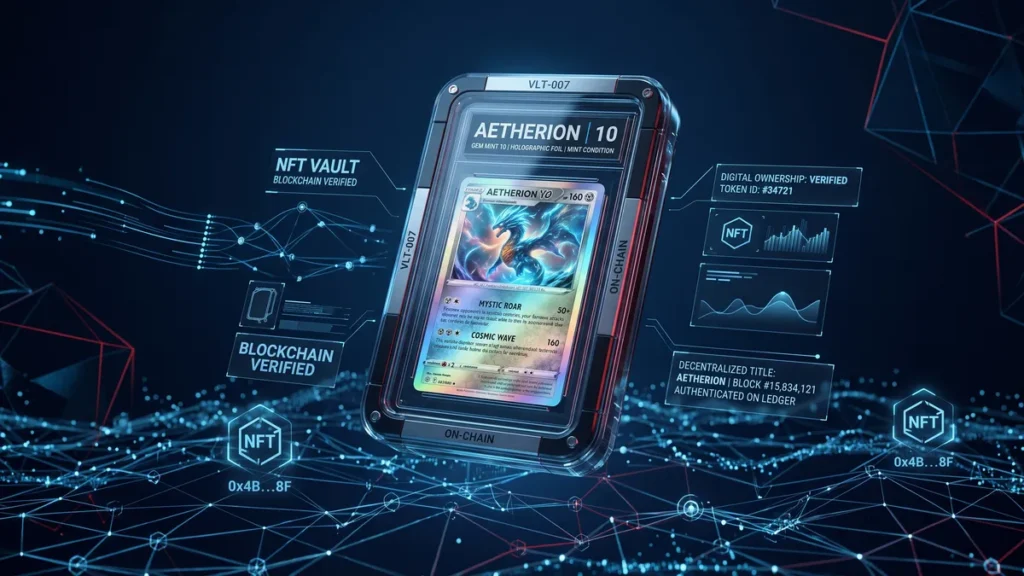
If you spent any time on the internet in 2021, you couldn’t escape them: those colorful, cartoon primates from the Bored Ape Yacht Club flooding your feeds alongside the ultimate crypto slang, “aping in.” What started as a niche digital art experiment rapidly transformed into a global cultural phenomenon.
But the landscape of digital assets has grown up significantly since the wild days of the profile picture boom. Today, the technology has evolved far beyond purely digital jpeg files.
In this comprehensive guide, we will break down the origin of the “aping in” phenomenon, explore how digital art exploded into the mainstream, and look at how Pokemon NFTs are radically changing the game by bringing authenticated, physical collections directly to the blockchain. We will also spotlight the best platforms and tools available to secure and grow your digital asset portfolio.
The Origin of the NFT
Long before bored apes and digital punks flooded social media, the core concept of the non-fungible token was born out of a desire to help artists. In May 2014, digital artist Kevin McCoy and software developer Anil Dash teamed up at a technology hackathon in New York City. They wanted to create a system that allowed digital artists to prove ownership and monetize their work without relying on traditional galleries.
McCoy minted a short, color-shifting digital animation called “Quantum” on the Namecoin blockchain. At the time, the term NFT did not even exist. The creators referred to their invention as “monetized graphics,” and Dash purchased the first ever tokenized artwork for a mere four dollars.
The 2021 Popularity Spike
For several years, blockchain collectibles remained a quiet, experimental niche. That changed entirely in early 2021. A perfect storm of cryptocurrency wealth, pandemic-driven digital engagement, and major celebrity endorsements caused public interest to skyrocket.
The true tipping point occurred in March 2021 when the digital artist known as Beeple sold a collage titled “Everydays: The First 5000 Days” at Christie’s auction house for 69 million dollars. This record breaking sale legitimized digital art overnight. Suddenly, profile picture collections dominated the internet, and trading volumes surged into the billions as new investors rushed to secure their own digital assets.
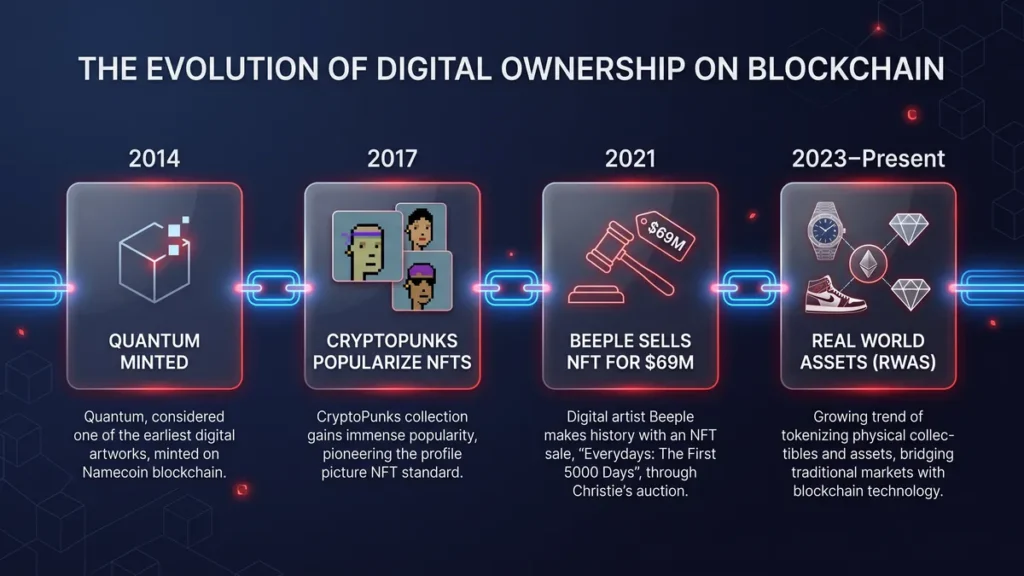
May 2014 Digital artist Kevin McCoy and tech entrepreneur Anil Dash minted “Quantum” on the Namecoin blockchain. Originally called “monetized graphics,” it was sold for just four dollars during a New York hackathon. 2017 Projects like CryptoPunks launch on Ethereum, laying the groundwork for digital scarcity and community-driven avatar collections. March 2021 Digital artist Beeple sells an NFT for 69 million dollars at Christie’s auction house. This event triggers an unprecedented boom, bringing celebrities, billions in trading volume, and global awareness to the space. 2023 to Present The technology matures into Real World Assets (RWAs). Platforms begin storing authenticated, physical Pokemon cards in secure vaults while issuing tradable NFTs as digital certificates of ownership.⭐️ The First NFT
🖼️ The Profile Picture Era
📈 The Mainstream Spike
🌠 Tokenized Physical Assets
How Digital Art Evolved into Pokemon NFTs
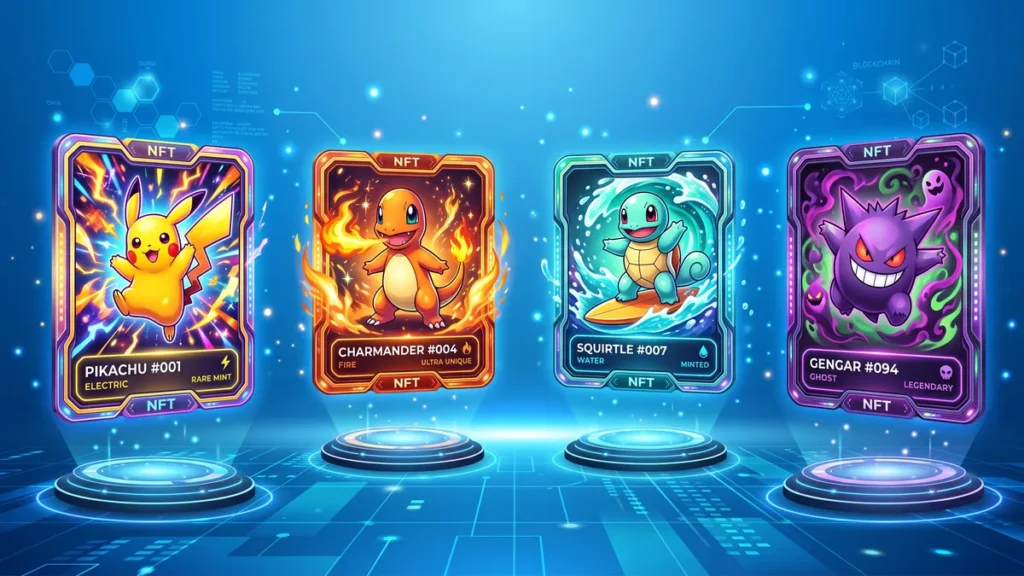
The 2021 craze was largely built around pure digital images. As the market cooled and matured, innovators recognized that blockchain technology could solve massive logistical problems in the physical collectibles market. This realization led to the rise of Real World Assets.
Trading physical Pokemon cards has always involved frustrating hurdles like slow international shipping, high customs fees, and the constant fear of receiving a counterfeit or damaged card.
The NFT space evolved to eliminate these issues. Today, specialized platforms take professionally graded physical Pokemon cards and lock them in climate controlled, highly secure vaults. They then mint a digital token representing legal ownership of that specific card.
Collectors can now trade a Base Set Charizard globally in seconds. The physical card remains perfectly safe in the vault until the final owner decides to redeem the digital token and have the item shipped to their front door.
What is a Pokemon NFT?
A Pokemon NFT blends the nostalgic joy of physical trading cards with the security and speed of digital ownership. Whether you are holding heavy bags of crypto or just looking for a fun entry point into Web3, tokenized collectibles offer a fresh perspective on a classic hobby.
The Magic Behind NFT Pokemon Cards
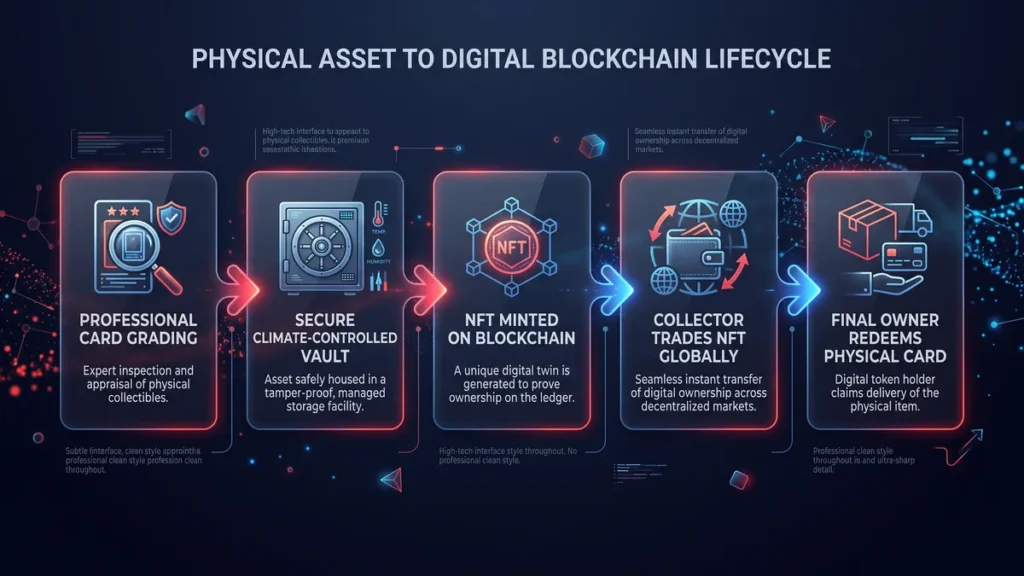
Physical assets are finally making sense on the blockchain. When people hear about an NFT Pokemon, they often picture a simple digital image saved on a phone. The reality is much more interesting because these tokens actually represent real, physical assets stored in highly secure, climate controlled vaults.
- Authenticated Physical Assets: Every digital token corresponds directly to a professionally graded physical card.
- Secure Vaulting: Specialized third party companies hold the actual item, keeping it safe from theft, moisture, or accidental damage.
- Easy Trading: You can buy or sell the digital token instantly across the globe without paying expensive shipping fees or worrying about customs.
How Platforms Like Courtyard.io Are Changing the Game
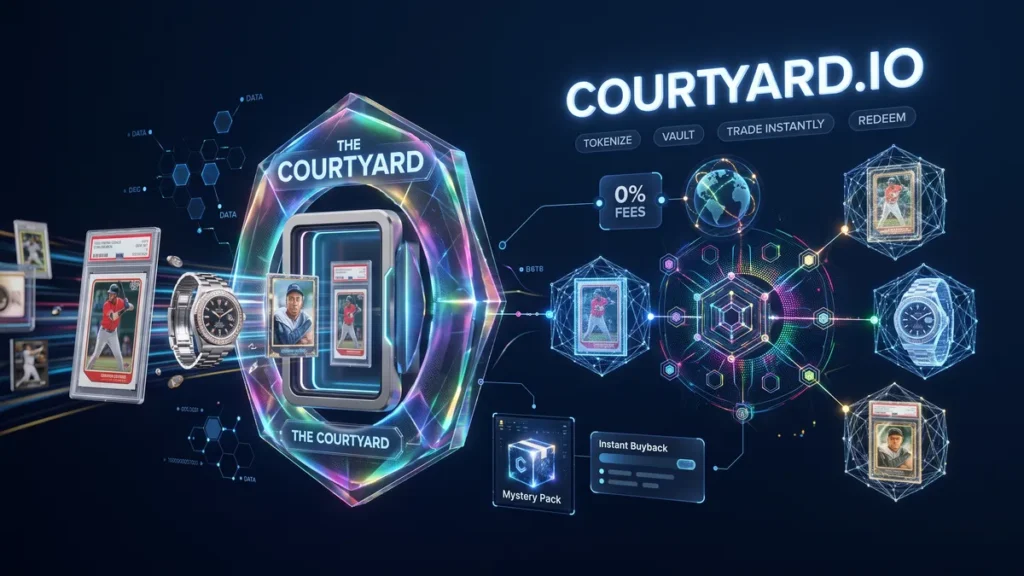
Specialized marketplaces make the collecting process incredibly simple. Finding a trustworthy platform is the first step for any new collector. Platforms like courtyard.io have built their entire model around tokenized physical assets. They allow users to open digital booster packs, reveal authenticated cards, and trade them instantly on an active secondary market.
Feature
Traditional Collecting
Blockchain Collecting
Storage Strategy
Personal home safes
Professionally insured and guarded vaults
Trading Speed
Weeks for packaging and international shipping
Instant digital transfer to your crypto wallet
Verification
Manual inspection needed upon arrival
Transparent blockchain record of authenticity
Catching the Next Pokemon NFT Drop
Much like sneaker releases, a new Pokemon NFT drop brings a massive amount of excitement to the community. Marketplaces like courtyard.io regularly release new batches of digital packs containing rare graded cards at fixed prices. To get the best chance at securing a pack, you should follow official marketplace announcements and keep your digital wallet funded in advance.
Navigating Pokemon NFT Price Prediction Trends
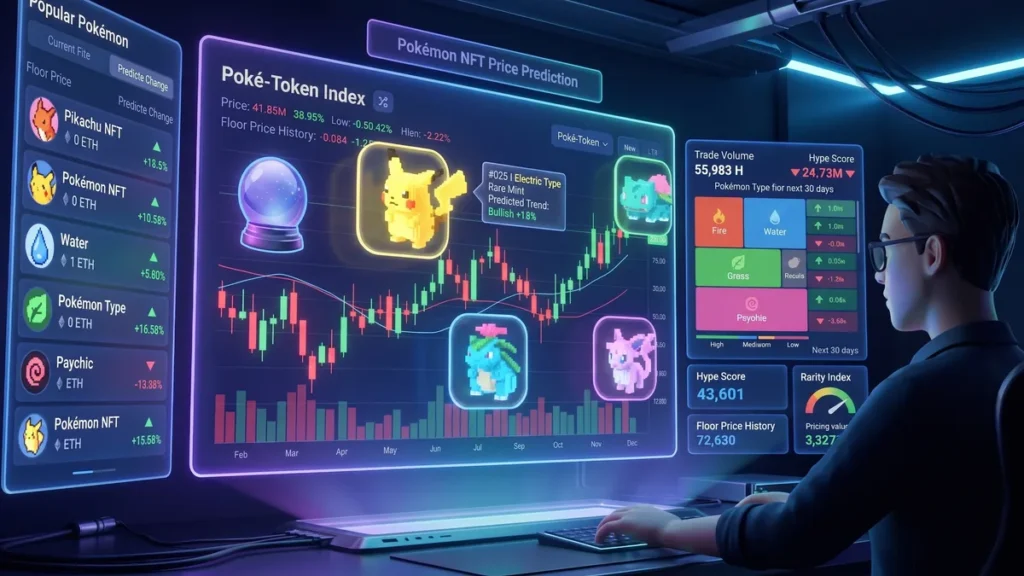
Everyone wants to know if their collection will gain value over time. However, trying to figure out a reliable Pokemon NFT price prediction takes a lot of effort. It involves looking at both the cryptocurrency market and the traditional trading card market.
Even as the broader cryptocurrency landscape shifts, savvy collectors and investors keep a close eye on a reliable Pokemon NFT price prediction. Because these tokens represent physical Real World Assets, they offer a level of stability that standard digital art simply cannot match. Holding a digital token backed by a professionally graded vintage card provides a tangible price floor. Investors recognize that this specific niche acts as a safe heaven when purely speculative tokens experience heavy volatility.
✅ NFT Benefits for Card Collectors
The advantages go way beyond digital flex culture on social media. The true NFT benefits lie in liquidity and global access. A collector in Tokyo can securely trade a rare holographic card with a buyer in New York in seconds. There is zero risk of the item getting lost in transit because the physical card never leaves the vault until the final owner decides to redeem it.
What Could Influence a Pokemon NFT’s Price?
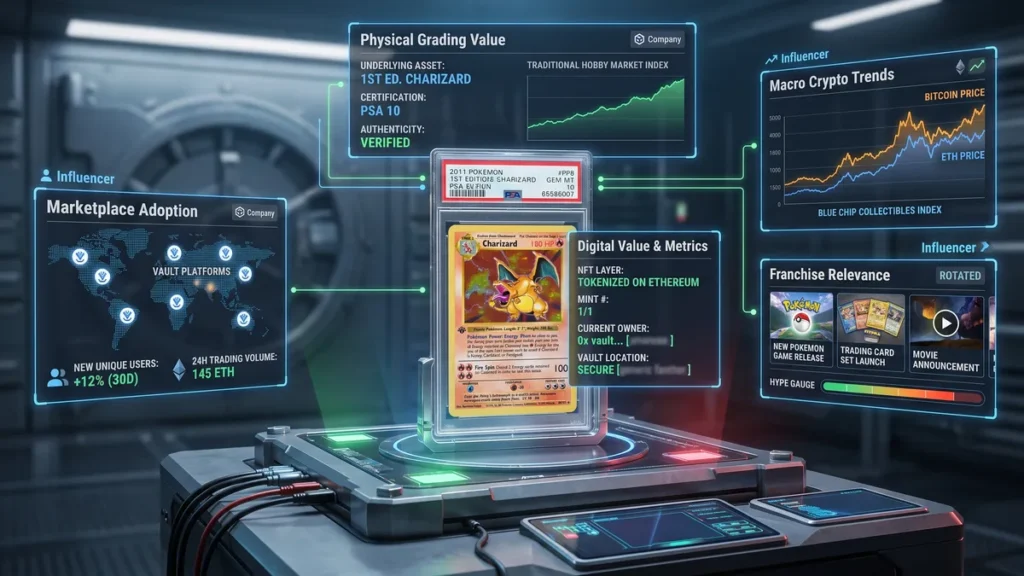
Valuing tokenized collectibles requires a deep understanding of two very different ecosystems. You have to monitor traditional hobby markets alongside blockchain metrics to get a clear picture of future value.
Physical Grading Value: The underlying asset is king. A pristine, highly graded card will always command a premium regardless of what the broader crypto market is doing. Marketplace Adoption: As vaulting platforms attract more mainstream users, the increased digital liquidity naturally drives up demand for rare tokenized cards. Macro Crypto Trends: When major networks experience bull runs, investors tend to take their profits and park that excess liquidity into blue chip collectibles. Franchise Relevance: Pokemon remains the highest grossing media franchise in the world. New video games, movies, and physical card sets ensure a constant stream of fresh collectors entering the space every single year.
How We Approach NFT’s Price Prediction
Our approach blends historical physical auction results with modern on-chain analytics. We track the volume of new cards entering secure vaults and measure the speed of secondary market trades. We also look at the overall growth of decentralized finance integration, measuring how easily users can swap, borrow, or lend against their tokenized physical assets.
Pokemon NFT Price Prediction 2026
By 2026, the price of Pokemon NFTs will largely reflect whether recent platform developments start showing up in mainstream collector usage. At this stage, the market is less interested in digital hype and more focused on the actual utility of secure vaulting and frictionless trading.
A more stable outcome would likely see tokenized card prices moving in line with the traditional physical grading market, with gradual support coming from marketplace growth but without a major speculative breakout. If momentum returns to the wider crypto market and platforms continue improving user onboarding and attracting traditional collectors, rare card tokens could attempt to revisit higher premium levels seen in previous digital cycles.
‼️ However, if activity remains limited to a small group of crypto natives or liquidity stays concentrated in competing digital ecosystems, price movement may remain relatively contained to the physical baseline. Overall, 2026 is less about direction changes and more about whether tokenized platforms can convert physical collecting habits into measurable on-chain demand.
Pokemon NFT Price Prediction 2027
The focus typically shifts from expectations to results by 2027. At this point, investors are likely to judge Pokemon NFTs based on how active the digital marketplace has become rather than the initial novelty of Real World Assets.
In case the network of vaulted assets continues expanding and market conditions remain supportive, tokenized cards could build on earlier adoption trends and strengthen their premium over raw physical counterparts. But if growth in traditional user onboarding remains slow, performance may depend more on general crypto market sentiment than collectible-specific momentum.
This makes 2027 an important checkpoint year, where the long-term direction of tokenized physical assets becomes easier to evaluate in practice. As collectors accumulate more valuable assets during this period, choosing the right digital storage becomes critical.
Pokemon NFT Price Prediction 2030
By 2030, the valuation of Pokemon NFTs will likely depend on whether tokenization has secured a meaningful position among leading global auction standards. A stronger outcome would involve sustained ecosystem expansion, deeper decentralized finance integration, and broader real-world usage, which could support significantly higher long-term valuations for rare graded cards.
However, In a more moderate outcome, tokenized collecting continues to develop and maintain relevance, but remains behind traditional physical auction houses in terms of high-end adoption and institutional liquidity.
In this case, price performance would likely follow general physical market trends rather than outperform them. If competitive pressure from other digital collectible franchises continues to dominate the sector, the growth of tokenized Pokemon assets could remain limited despite ongoing technical progress in vaulting logistics. At this stage, long-term positioning within the hobby matters more than short-term crypto momentum.
Pokemon NFT Price Prediction 2035
Looking toward 2035, forecasts become less about price precision and more about relevance within the broader collectibles industry. If Pokemon successfully maintains its franchise dominance and tokenized vaulting gains long-term adoption across multiple generations, these NFTs could still hold a meaningful position in the market and benefit from the overall expansion of digital ownership.
A more neutral outcome would see tokenized Pokemon cards remain active and functional but not among the dominant financial ecosystems, with performance largely tied to overall pop culture nostalgia. In a less favorable scenario, faster-moving entertainment platforms could capture most of the collector activity, leaving older tokenized Pokemon assets with a more limited role in the modern ecosystem.
At that point, the key question is not how high the floor price goes, but whether physical cardboard trading cards continue to matter in the evolving digital landscape.
Join IZAKA-YA’s Exclusive Pokemon NFT Campaign
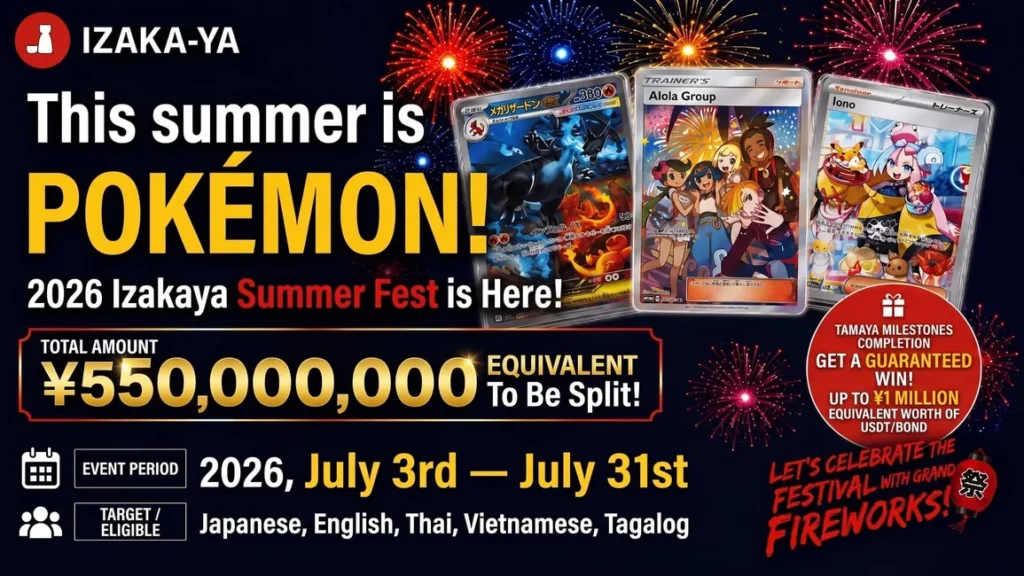
The bridge between decentralized finance and physical collectibles has never been stronger. Experience it yourself with IZAKA-YA’s exclusive “Celebrate Summer with Pokémon” festival, which features an incredible ¥50 million prize pool.
Dive into the community using IZAKA-YA Tokens to unlock new activities every day. Here is how you can maximize your rewards:
-
Join the Fun: Participate in daily events and invite your friends.
-
Share the Journey: Post your experiences and progress on social media.
-
Earn Firework Orbs: Complete all 9 unique Tamaya missions.
The more Firework Orbs you gather, the more impressive your final prize will be.
Application pagekeyboard_arrow_right
Frequently Asked Questions (FAQ)
Yes, the digital token acts as a legal certificate of ownership for the physical item sitting in a secure vault.
You can find full details on IZAKA-YA’s special “Celebrate Summer with Pokémon” campaign page. Simply follow the instructions listed there and apply using the application link provided above.
Many digital packs start at very accessible prices around twenty to twenty five dollars, making it easy for beginners to try ripping a pack without breaking the bank.
When you decide you want to hold the physical card in your hands, you initiate a “redemption” process on the marketplace platform. This process permanently “burns” (destroys) your digital token, and the vaulting service ships the physical, graded card directly to your provided address.
Yes. You do not just have to buy pre-made digital packs.Many platforms allow you to mail in your existing, professionally graded cards.


