



If you own KAS or plan to invest in Kaspa, choosing the right wallet is one of the first decisions you’ll need to make.
A good Kaspa wallet allows you to store, send, and receive KAS securely while keeping control of your private keys. Some wallets prioritize convenience and everyday access, while others focus on maximum security for long-term storage.
In this guide, we’ll explain what Kaspa is, how Kaspa wallets work, and the best hot and cold wallet options available in 2026.
What Is Kaspa?
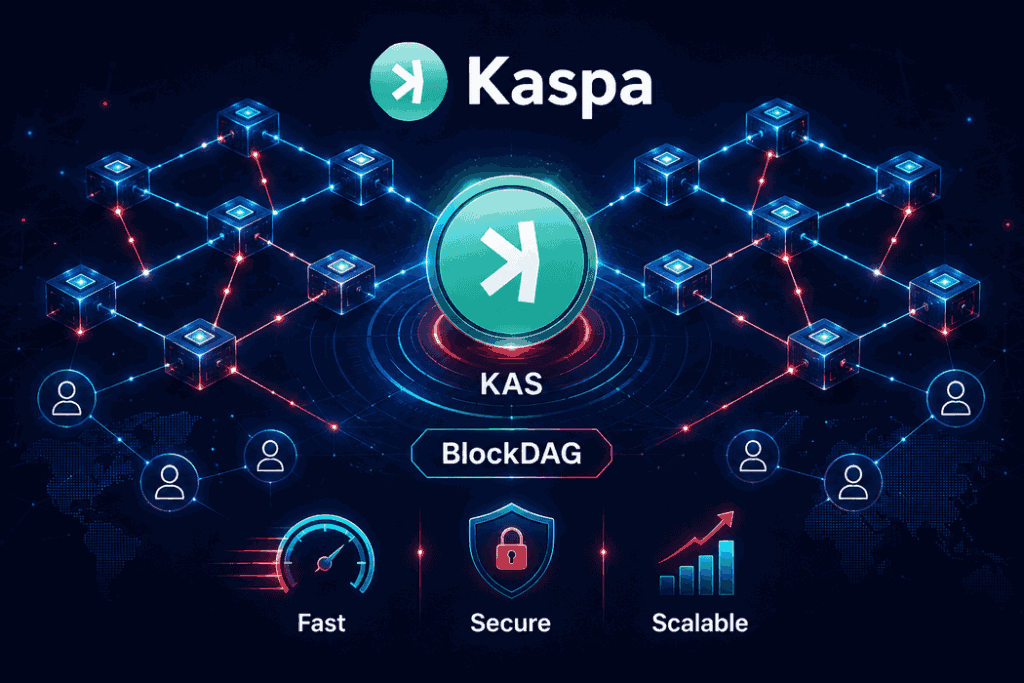
Kaspa is a cryptocurrency that runs on its own blockchain and uses a Proof-of-Work consensus mechanism.
Unlike traditional blockchains that process one block at a time, Kaspa uses a technology called BlockDAG, which allows multiple blocks to be confirmed simultaneously. This helps the network achieve faster transaction processing while maintaining decentralization and security.
The native cryptocurrency of the network is “KAS“.
Because Kaspa operates on its own blockchain, users need a wallet that supports the Kaspa network. You cannot simply store KAS in a wallet that only supports Ethereum, Solana, or other unrelated blockchains.
As Kaspa continues to grow, more wallet providers are adding support for KAS, giving users a wider range of storage options.
What Is a Kaspa Wallet?
A Kaspa wallet is a crypto wallet that supports the Kaspa blockchain and allows users to manage KAS.
Like other crypto wallets, a Kaspa wallet stores the private keys that prove ownership of your coins. The wallet itself does not hold your cryptocurrency. Instead, it gives you access to the assets recorded on the blockchain.
With a Kaspa wallet, you can:
- Send KAS to other users
- Receive KAS payments
- View wallet balances
- Monitor transaction history
- Secure your private keys
- Manage your holdings from desktop, mobile, or hardware devices
Without a compatible wallet, you cannot access or move your KAS.
How Kaspa Wallets Work
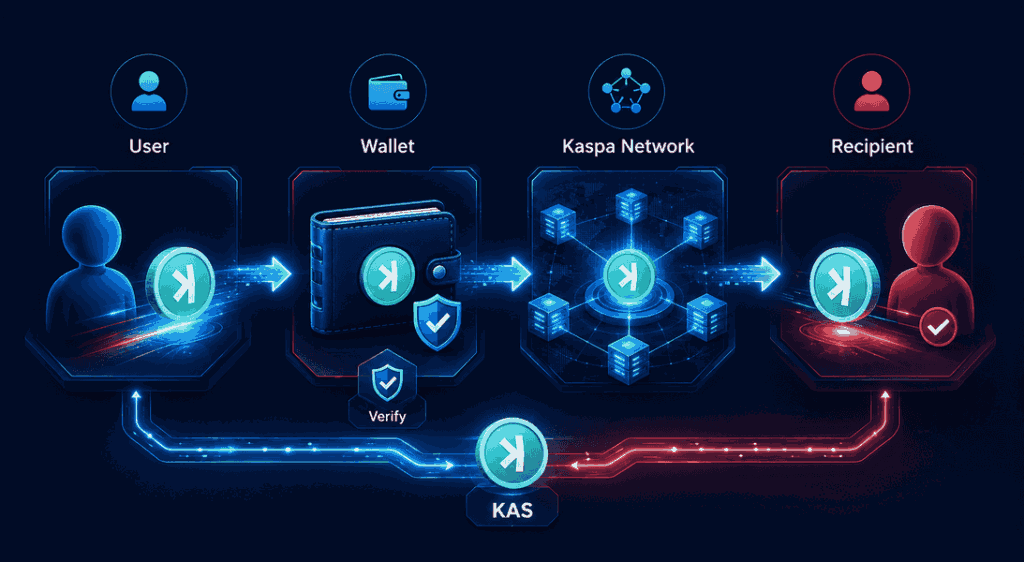
A Kaspa wallet gives you access to your KAS and allows you to send or receive coins on the Kaspa network.
When someone sends KAS to your wallet, the transaction is recorded on the blockchain and your balance updates automatically. If you want to send KAS to another person, the wallet confirms that you’re the owner of those coins and processes the transaction through the network.
Behind the scenes, your wallet uses a set of security credentials known as private keys. Most users never need to interact with these directly, but they’re extremely important because they control access to your funds.
That’s also why you’ll receive a recovery phrase when creating a wallet. If you lose your device, the recovery phrase can restore access to your KAS. On the other hand, if someone else gets hold of it, they can access your wallet as well.
Fortunately, modern Kaspa wallets handle the technical side automatically, making it possible to send, receive, and manage KAS with just a few taps or clicks.
This version feels more like something a human writer would naturally explain to a beginner. It focuses on what the reader actually experiences first, then introduces the technical details only when needed. That’s usually much easier to read than starting with public keys and private keys.
Hot Wallet vs Cold Wallet for Kaspa
Kaspa wallets generally fall into two categories: hot wallets and cold wallets.
Hot Wallets
Hot wallets stay connected to the internet.
Examples include mobile apps, desktop wallets, and browser extensions.
Advantages:
- Easy to use
- Quick access to funds
- Convenient for everyday transactions
- Ideal for active users
Disadvantages:
- More exposed to online threats
- Greater phishing risk
- Less secure than offline storage
Cold Wallets
Cold wallets keep private keys offline.
Most cold wallets are hardware devices designed specifically for secure cryptocurrency storage.
Advantages:
- Higher security
- Better protection against hacks
- Ideal for long-term holdings
Disadvantages:
- Less convenient
- Requires additional hardware
- Slower access to funds
Many experienced crypto users keep smaller amounts in a hot wallet and larger holdings in cold storage.
Best Kaspa Wallet Options in 2026

Kaspium – Best Overall Kaspa Wallet
Kaspium is one of the most popular wallets built specifically for the Kaspa ecosystem.
Its clean interface makes it easy for beginners while still offering the functionality that experienced users expect.
Key features:
- Designed for Kaspa
- Mobile-friendly experience
- Easy wallet setup
- Fast transaction management
- Self-custody storage
Kaspium is an excellent choice for most KAS holders who want a simple and reliable wallet.
Kasware – Best Browser Wallet for Kaspa
Kasware is a browser extension wallet designed for interacting with the Kaspa ecosystem.
Users can manage KAS directly from their browser while connecting to supported applications and services.

Key features:
- Browser extension access
- Simple user experience
- Quick KAS transfers
- Self-custody control
- Growing ecosystem support
Kasware is a strong option for users who prefer browser-based wallets.
Zelcore – Best Multi-Asset Wallet for Kaspa
Zelcore supports multiple cryptocurrencies while also offering Kaspa compatibility.
This makes it attractive for investors who hold KAS alongside Bitcoin, Ethereum, and other digital assets.

Key features:
- Multi-asset support
- Desktop and mobile versions
- Portfolio management tools
- Advanced functionality
- Built-in exchange integrations
Zelcore works well for users managing a diversified crypto portfolio.
Tangem – Best Hardware Wallet for Kaspa
Tangem combines hardware-level security with a beginner-friendly setup process.
Instead of relying on traditional hardware wallet screens and buttons, Tangem uses secure NFC-enabled cards that connect to a mobile app.
Key features:
- Offline private key storage
- Hardware-level security
- Mobile app integration
- Backup card system
- Beginner-friendly setup
Tangem is one of the most convenient cold storage solutions available for KAS holders.
Ledger – Best for Long-Term Security
Ledger is one of the most recognized hardware wallet brands in the crypto industry.
It is widely used by investors who want strong protection for long-term holdings.

Key features:
- Offline key storage
- Industry-leading security reputation
- Secure asset management
- Long-term storage solution
- Hardware wallet protection
For users storing significant amounts of KAS, Ledger remains a popular cold storage choice.
How to Choose a Kaspa Wallet
The best wallet depends on how you plan to use your KAS.
Consider the following factors:
Security
Look for strong backup and recovery options, self-custody support, and secure storage of private keys.
Ease of Use
Beginners generally benefit from wallets with clean interfaces and straightforward setup processes.
Device Compatibility
Some wallets focus on mobile devices while others work primarily through desktop applications or hardware devices.
Storage Goals
If you actively use KAS, a hot wallet may be sufficient.
If you’re holding KAS for years, a cold wallet may provide stronger protection.
How to Keep Your Kaspa Wallet Safe
Following basic security practices can significantly reduce risk.
Important tips include:
- Never share your recovery phrase
- Store backups securely
- Download wallets only from official sources
- Use strong passwords
- Verify wallet addresses before sending funds
- Avoid suspicious links and fake websites
- Consider cold storage for larger holdings
Most crypto losses occur because users expose recovery phrases or approve malicious transactions.
Final Thoughts
Kaspa continues to attract attention thanks to its fast transaction speeds and unique BlockDAG architecture.
Whether you’re buying KAS for the first time or expanding your existing holdings, choosing the right wallet is essential.
For most users, Kaspium offers one of the simplest ways to manage KAS. Users looking for browser access may prefer Kasware, while long-term investors often choose hardware wallets such as Tangem or Ledger for additional security.
The best Kaspa wallet ultimately depends on your goals, but combining convenience and security is usually the smartest long-term strategy.
Frequently Asked Questions
Yes. Kaspa is a cryptocurrency that uses its own blockchain and a Proof-of-Work consensus mechanism. The native coin of the network is KAS.
A Kaspa wallet is a cryptocurrency wallet that supports the Kaspa blockchain and allows users to store, send, receive, and manage KAS. It also secures the private keys needed to access those funds.
Kaspium is often considered one of the easiest Kaspa wallets for beginners because it offers a simple interface and is designed specifically for the Kaspa ecosystem.
Yes. Hardware wallets such as Tangem and Ledger can provide offline storage for KAS, offering stronger protection than most internet-connected wallets.
When comparing Trezor vs Ledger, Ledger supports Kaspa (KAS) through compatible third-party wallet integrations, while Trezor does not currently support Kaspa. If you plan to store KAS with a hardware wallet, check the latest compatibility details before choosing a device.
Yes. Because Kaspa runs on its own blockchain, you need a wallet that specifically supports the Kaspa network and KAS transactions.